
You’re likely reading this article for one of two reasons. Either you’ve tried to burn belly fat in the past but ultimately not made the desired changes to your body shape, or you want to make your first attempt at changing your body for the better and strip away fat to sculpt a leaner and more defined physique. Either way, you’ve come to the right place.
We all know burning fat effectively isn’t easy – if it was, everyone would be walking around with washboard abs. And while this article will help you learn how to lose belly fat, it should be noted that there is no way to aim fat loss at just one area of the body (what’s known as ‘spot reduction’). Instead, overall fat loss is the name of the game: achieve that, and your stomach will follow suit.
Roll out your best exercise mat and get ready to burn. Here’s our best advice on how to lose belly fat.
What you need to know
So – for complete transparency, I must begin with a disclaimer. There are no exercises that are best to lose belly fat. To lose belly fat, you need to be in a calorie deficit, and the quickest way to achieve that is to take a look at what you’re eating and learn how to track calories.
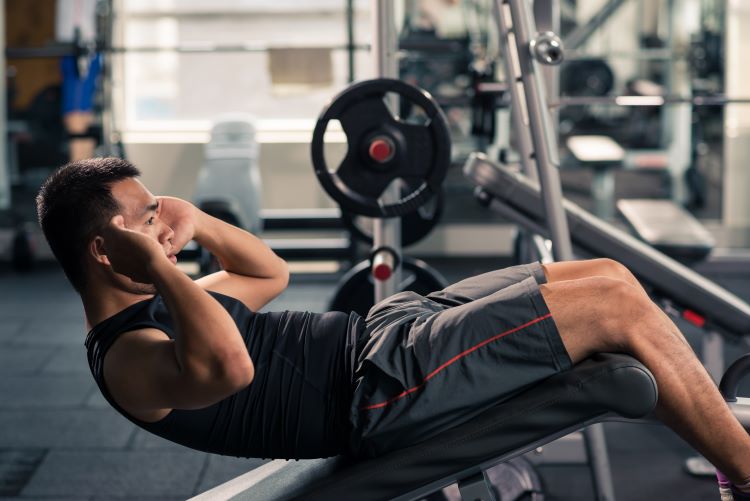
That’s also why endless crunches alone won’t magically flatten your stomach. Visible abs are largely a result of lowering overall body fat levels through a combination of nutrition, movement, sleep and consistency over time.
And here’s the good news; you don’t need to live on plain fish and a rice cake or train like Anthony Joshua to make progress. Sustainable fat loss is usually built on relatively simple habits repeated consistently.
1. Build more muscle to lose body fat
When you’re looking to shift fat, it’s tempting to tip the cardio-strength scales in favor of the former. But that’s a mistake.
“It might sound counterintuitive to someone looking to decrease body fat, but increasing muscle mass is the best solution,” says fat-loss expert Matt Jones, a performance coach for human performance experts P3RFORM.
“For every 0.5kg of muscle gained, you will burn 6-10 extra calories per day. So if you gain 4.5kg of muscle mass alone, that can equate to burning around an extra 100 calories. This is without even taking into consideration the additional calories burned from the lifting exercises themselves.”
Lifting weights will also help to keep you looking toned and strong when you start cutting down on the calories.
“Strength training in itself helps to preserve muscle mass while in a calorie deficit,” adds Jones, “as long as adequate protein is also being consumed.”
That’s important because losing weight and losing fat are not necessarily the same thing. If you diet aggressively without resistance training, you risk losing muscle along with body fat, which can leave you looking and feeling flat, tired and weak – and nobody wants that!
2. Use HIIT to burn fat
When it comes down to the best exercises to lose belly fat, the experts recommend trying HIIT. “High-intensity interval training (HIIT) is all the rage. While it can be useful if you are short on time, interval training in its less intense form can be useful for fat-loss, too,” insists Jones.
“The primary difference between HIIT workouts and interval training is the recovery periods. HIIT has shorter recovery periods to keep the intensity high, while interval training is performed with longer recoveries.”
That means you can train more consistently: interval training will place less stress on your body than HIIT to keep you coming back more often. It also empowers you to combine interval training with your favorite cardio. This is as opposed to joining dedicated HIIT classes.
“That’s especially helpful for individuals who want to change up how they do their favorite running, cycling or rowing sessions,” says Jones.
So, if you’re after the best exercises to lose belly fat, try restructuring your cardio sessions into interval-based fat loss workouts.
“Break the session up into smaller chunks of very high-intensity activity, and very low-intensity activity which you will use for recovery between the harder efforts,” says Jones.
“For a running workout, this could be 6 sets of 30-second efforts at a fast speed, and two minutes of easy recovery jogging or walking in-between. For a rowing workout, that may be rowing 200m as fast as possible, then doing 800m at an easy pace for recovery, repeated 3-5 times.”
3. Vary your exercises to lose belly fat
To achieve your fat-loss goals you need a healthy combination of organized routines and fresh challenges.
“Losing body fat is about consistency across a period of months. This entails both consistency of managing your nutrition, and consistency of regular exercise,” concludes Jones.
“But one area where people often fail is when they get into a routine and then get bored with their program. It’s better to get some variety and fun into your cardio training.”
If you want to learn how to lose belly fat, a wider variety of stimuli, in the form of different exercises, will boost your motivation and challenge your body in new ways. It will also enhance your longer-term weight-control strategy.
The beauty of interval training is that it can also make cardio feel mentally easier. Instead of slogging through a long steady-state workout, you’re breaking sessions into manageable chunks, which many people find easier to stick to over time.
“For weight training, that could simply be switching in some different exercises that work the same muscle groups. Or, you could change how many sets and reps you perform. For cardio exercise, it could be changing up your modality from running to cycling or swimming.”
4. Increase your NEAT
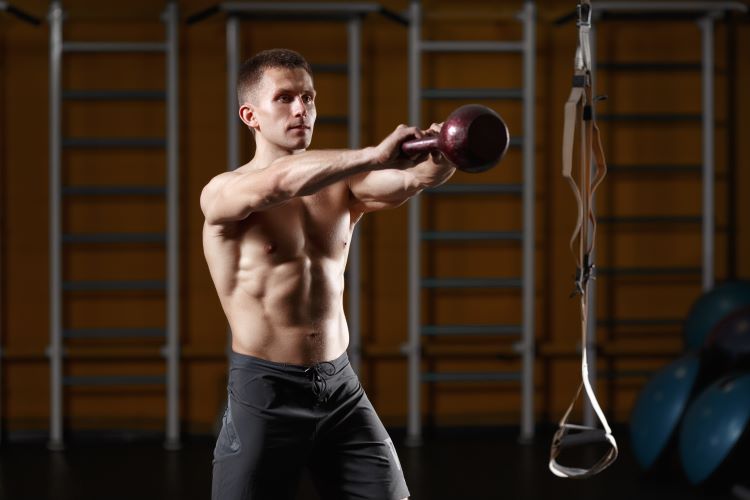
When it comes to learning how to lose belly fat, your fat-burning training regime is important, but so are your daily movement habits.
“NEAT – non-exercise activity thermogenesis – means the calories burned outside of exercise, eating and sleeping,” explains Jones.
“It includes all your movements, however big or small, throughout the day. From climbing the stairs, to standing at your desk – even fidgeting.
“Fat loss is not just about how many calories you burn in a day, but how many you burn over an extended period. So, improving your NEAT can play a huge factor in assisting you to lose fat.”
Try to picture your whole day as an opportunity for movement and activity, not just the windows when you can fit in organized exercise sessions. You could try walking while taking calls, getting off public transport at a stop early, carrying shopping bags instead of driving and taking movement breaks throughout the day.
They may sound small, but collectively they can make a significant difference to your overall energy use.
5. Improve sleep quality to enhance your physique
Lying in bed might not sound like the best way to burn fat, but a healthy amount of sleep is vital for your fat-burning ambitions.
“When we don’t have enough sleep we all know that just about everything in our lives suffers, from our concentration to our mood,” explains Jones. If you’re tired, you will make poor food choices and find it harder to train.
“Sleep deprivation is also linked to an increase in a hormone called ghrelin. This increases hunger levels in the body.
“A two-week study found that during a period of calorie restriction one group that slept normal hours (8.5 hours per night) experienced 55% of their reduction in body weight specifically as fat loss. This was compared to another group with restricted sleep (5.5 hours per night) and experienced only 25% of their reduction as fat loss.
“That suggests sleep loss increases the loss of muscle mass during dieting. So, use your phone or wearable device to track your current sleep patterns and try to improve the quality and volume of your sleep.”
6. Ensure you’re in a moderate calorie deficit
It’s not new, or particularly fun, but the simple fact is that if you want to reduce your body fat you need to ensure you’re in a calorie deficit. Put simply, that means you burn more calories than you consume. However, there are some smart ways to achieve it.
Arj Thiruchelvam is head coach at Performance Physique. He says that calorie consumption should be viewed from a wider lens than daily targets. “The process of fat loss doesn’t follow a day-to-day nature,” he says, “but instead works on higher and lower calorie days. This allows you to maximize moments of less hunger, the desire to eat more and socialize, while concurrently allowing you to achieve your body composition goals.”
But importantly, avoid the temptation to slash calories too aggressively. Extreme dieting may produce rapid short-term weight loss, but it’s often difficult to sustain and can lead to rebound overeating later. “Small changes done intentionally prevent ‘sod it’ syndrome,” says The Men’s Health Nutritionist, Josh Clamp, Health and Performance Coach and men’s health business owner.
Clamp believes sustainable fat loss comes from realistic habits people can actually maintain in the long run. “If you cut out all the foods you enjoy, make it unachievable and unrealistic, you’re inevitably gonna give in, and have that ‘start again next week’ vicious cycle of yo-yo dieting.”
Clamp suggests starting by trying to have less high fat, sugar and salt foods. “Don’t cut them out – if you have the odd [treat] that’s OK – but just try to have less,” he suggests. Often people say ‘I’m gonna not have any sweets, cake, chocolate biscuits’, or they have a whole packet. It’s OK to have a couple, but only a couple!”
“No food should be guilty or guilt-free. Everything’s OK in moderation,” he says. “You need good healthy behaviors and you’re also allowed other foods. As a nutritionist, I have pizza and alcohol and sweets, I never feel guilty about them and nobody should.”
7. Slow down when you’re eating
As well as what you eat, focus on how you’re eating it. “When you eat too quickly, you don’t notice how full you are and your receptors can’t keep up,” says integrative health coach and nutritionist Arina Kuzmina. “Try slowing down, take a break from running around for ten minutes, sit down and actually enjoy your well-deserved meal.” That also means eating away from the TV, emails or social media.
According to experts, mindless eating is one of the easiest ways to overconsume calories without realising it. If you’re gobbling up your meals while scrolling or replying to emails makes it harder for your brain to register that you’re full.
8. Lift smarter to lose belly fat
Instead of focusing on isolation exercises to lose belly fat – for example, cable work, crunches and biceps curls – make heavy compound lifts the basis of your strength training. Compound lifts also improve coordination, posture and athleticism, making them a far more efficient use of your gym time over endless targeted work.
Squats, deadlift variations, pull-ups – all these lifts recruit more than one joint and muscle group at a time. “When these functional exercises are performed correctly with challenging loads,” says personal trainer Sana Shirvani, “you will burn more calories, as you’re performing a larger volume of work in the same amount of time.”
9. Fill up on protein
Protein is the most filling macronutrient and could stop you reaching for junk food that will only add to your belly fat. It also has a higher thermic effect than fats and carbohydrates, meaning your body burns more calories digesting it.
“Protein encourages the body to tap into your fat stores, rather than muscle tissue,” says Nick Mitchell, CEO and founder of Ultimate Performance. “When you’re in a calorie deficit, your body will start to convert those fat stores to give you energy.
But, particularly if body composition is your goal, then a combination of high-protein foods and resistance training with bands or weights will signal the body to tap into your fat stores, rather than your muscles.”
Get your fill of lean proteins, such as chicken, fish, tofu and legumes. Mitchell recommends anywhere between 2.2g to 2.8g of protein per kilogram of lean body mass. However, estimating the magic protein requirement for you will be very subjective.
10. Drink more water
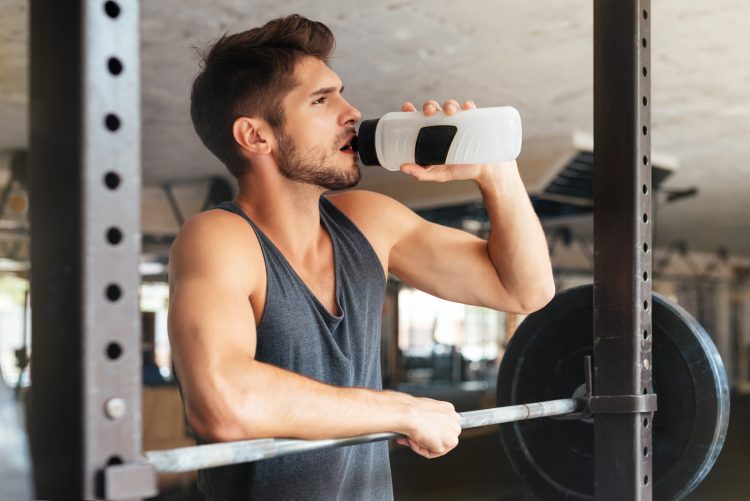
Water plays a vital role in processing calories, whereas mild dehydration can slow your metabolism. In one study, published in JAMA Pediatrics, adults who drank eight or more glasses of water a day burned more calories than those who drank four. To stay hydrated, drink a glass of water before every meal. Also snack on melons and citrus fruits, which naturally contain lots of water.
In a 2015 UK study, those who drank 500ml of tap water half an hour before each meal lost 1.3kg more over a 12-week period than the control group, who didn’t drink the water before eating. The authors commented that those trying to learn how to lose belly fat, or body fat in general, could try drinking a pint of water before every meal, three times a day.
Some people swear by intermittent fasting; others think it’s a load of nonsense. As with every major health debate, the answer lies somewhere in between, and is highly subjective. It’s important to note that fasting is mainly another means of getting into that state of calorie deficit (if you’re not eating for half the day, chances are you’re not going to be over-consuming calories). Although Dr Michael Mosley, creator of The Fast 800 diet, sees other advantages:
“Short-term fasting can lead to several changes in the body that make it easier to burn belly fat,” he says. “This includes reduced insulin, increased growth hormone and a small boost in metabolism. According to a 2014 review, intermittent fasting can cause weight loss of 3-8% over three to 24 weeks.
“Time-restricted eating is very straightforward. Simply ensure that for at least 12 hours within each 24-hour period, you do not consume any calories. Some people prefer to shorten their eating window further, to ten or even just eight hours, although recent research shows that a 12-hour period away from food is enough time to give your body significant benefits.”
That said, intermittent fasting is not magic. If fasting helps you eat fewer calories naturally and feel more in control of your eating habits, it may work well for you. But if it leaves you starving, low-energy or prone to overeating later in the day, a more traditional eating habit may be the better fit.
12. Manage your stress levels
There’s research to suggest that high levels of stress and a lack of sleep can increase inflammation in your body, which in turn can lead to increased fat storage around the stomach area. Stress has a cunning way of influencing your habits indirectly. When cortisol levels rise, many people naturally crave ultra processed foods rich in sugar, fat and salt, while simultaneously feeling less motivated to exercise or cook healthy meals.
If you want to learn how to lose belly fat, start by prioritising relaxation. Of course, finding ways to reduce stress is often easier said than done, but yoga, meditation or even regular fresh-air walks are some tried-and-tested methods.
13. Eat alone to tune into your body
Research in The American Journal of Clinical Nutrition found people eat up to 44% more food when eating with others. It noted one cause is that we still lean towards ‘social facilitation’, an ancestral mechanism that ensured equitable food distribution. Obviously, this doesn’t mean avoiding social meals altogether. Instead, it’s about becoming more mindful in social settings where it’s easy to eat distractedly and lose track of portion sizes.
Eating alone also allows you to savour your food, and listen to your body when it tells you it’s getting full.
14. Accept that six-pack abs take sacrifice
If you’re hoping to not only lose belly fat, but carve out a serious six-pack, Ultimate Performance’s Mitchell says you need to learn how to deal with tiredness, fatigue, hunger and cravings to get to the place you want to be:
“This is usually the stumbling block, and why so many men never really turn their vague abs outline into a solid six-pack. People may reach 11-12% body fat, but be unable to withstand the social sacrifice and internal symptoms to push further.”
For most people, maintaining visible abs year-round is also far harder than achieving them temporarily. Extremely lean physiques often require stricter eating habits, reduced flexibility around social events and very consistent training.
15. Understand your emotions to lose belly fat
Aside from hunger, often there are other factors that cause us to dip our mitts into the cookie jar. Building awareness around emotional eating patterns can really transform our relationship with food. Sometimes the habit isn’t hunger at all, but stress relief, procrastination or simply a way to break up the day.
“One of the main reasons for eating more is emotion,” says Kuzmina. “We try to fix a broken heart with chocolate, overcome sadness with pasta, deal with disappointment or frustration with ice cream, or compensate for a lack of direction with biscuits.”
Or you may simply be tired and bored. Kuzmina says it’s important to find the root cause and deal with that, instead of automatically reaching for the comfort of food. Before every snack, ask yourself a couple of simple questions: ‘Why am I eating? Am I physically hungry?’ “The key to losing weight,” Kuzmina concludes, “is not only figuring out what you’re eating, but what’s eating you.”
16. Switch off from your screens
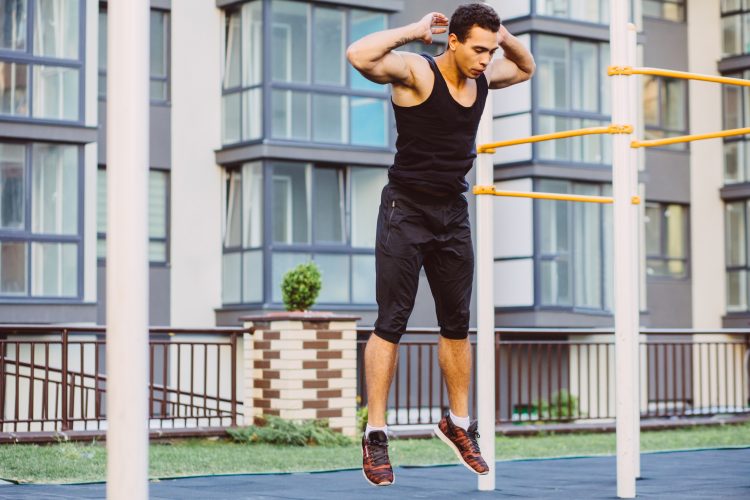
The greater the time spent on screens, the greater the chance of weight gain. That’s according to research from the World Cancer Research Fund International, and is largely because the majority of our time on screens is spent sitting down .Late-night screen use may affect sleep quality by disrupting your natural circadian rhythm, creating a double hit to your fat-loss efforts.
“Being inactive can also actually trigger your appetite at the worst time: when you’re burning the least amount of calories,” says Dr Deborah Lee, of Dr Fox Online Pharmacy.
17. Pick the right colored plate
Bright colors stimulate your appetite, so Dr Lee recommends eating from dark plates. “Darker colors suppress appetite,” she says, “because portion sizes appear bigger against darker backgrounds.”
18. Do more burpees
It’s true that nutrition holds the key if you want to lose belly or body fat, but you can improve your chances by doing the right types of exercises, too. The burpee is an undeniably brutal bodyweight movement. But Reiss Mogilner, trainer with global functional fitness community F45 Training, says it’s an invaluable fat-burning tool.
“This move majorly works your core, as well as your shoulders, chest, lats, triceps and quads,” he says. “It gets your heart rate going and your blood pumping, and acts as the perfect warm-up or finisher exercise.”
Burpees combine strength and cardio in one movement, they’re highly time-efficient for anyone training with minimal equipment or short on time.
TRY THIS EXERCISE:
- Set your stopwatch.
- In the first minute, do 1 full burpee (chest to the floor), then rest for the remainder of the minute. Easy!
- Do 2 burpees in the second. See where this is going?
- That’s right: 3 in the third.
- Keep aligning the number of burpees with the number of minutes, and resting for the remainder of each minute.
- Simply stop when you can’t complete the set number of burpees within the minute.
- If you can make it to 20, consider yourself a certified burpee machine.
19. Avoid binge drinking to lose belly fat
You’ll be pleased to know that we aren’t here to warn you off alcohol altogether. Although beer bellies are real things, if you can’t imagine dinner without a glass of pinot, then you’re in luck. How about drinking more regularly, but less intensely? A study published in the Journal of Nutrition found that those who drank infrequently but heavily had more abdominal fat than those who consumed the same amount but drank regularly.
Heavy drinking sessions also tend to lower inhibitions around food choices, increasing the likelihood of late-night takeaways and overeating… And we’ve all been there – came home, stuffed our faces with leftovers and then been tempted into a hungover takeaway the next day!
20. Focus on fibre
Studies have found that eating more soluble fibre – whole grains, fruits and vegetables – can help you lose belly fat and stop it from creeping back on. A study in the journal Obesity found that a tiny 10g increase in soluble fiber was linked to a 3.7% lower chance of gaining tummy weight. Just one cup of oats contains 8g of the good stuff, while a banana contains around 3g. According to experts, fibre-rich foods also tend to be more filling, which helps you stay satisfied for longer while naturally reducing overall calorie intake.
21. Sort your gut health out
A happier gut is a leaner gut. And what makes a happy gut? Variety. Previous research discovered how those with a more varied gut microbiome (the bacteria that live in our intestines) had a lower risk of belly fat.Adding a wider variety of plant foods to your diet — nuts, seeds, beans, vegetables, herbs and fruits — can help nourish a more diverse gut microbiome.
Plus, 2022 research conducted by the University of California found that eating too much food, too often, resulted in poorer microbial and metabolic health, potentially proving that a three-meal-a-day eating style is ideal.
22. Balance blood sugar
Avoid the rollercoaster of cravings throughout the day by getting your meals in check – while balancing blood sugar can also improve energy levels and concentration, making it easier to stay active and make healthier decisions throughout the day.
“Keep your blood sugar balanced by eating sufficient good-quality protein, unprocessed whole foods rich in vegetables, and some fruits – eat a rainbow every day,” says nutritional therapist Fleur Borrelli.
23. Snack smarter to lose belly fat
Studies have found that grazing throughout the day can significantly increase daily caloric intake. This is because many of us graze on high-fat and high-sugar foods that lack proper nutrition. These can subsequently lead to excess fat sitting in your belly. If you find yourself grazing, set a timer on your phone to signal your next eating ‘point’. Borrelli recommends having two to three protein- and fiber-rich meals per day, with at least a five-hour fast between meals, to avoid snacking.
If you genuinely need a snack, aim for options that combine protein and fibre, such as Greek yogurt with berries, boiled eggs or dark chocolate covered fruit.
24. Eat more black garlic
Black garlic has been proven to help reduce visceral fat: the dangerous fat that sits internally around organs. Essentially, black garlic is aged, ordinary white garlic, but it packs in twice the antioxidants of the white variety.
Research has also found that black garlic could regulate blood sugar (to stop the snacking) and protect your brain health. Pick up black garlic in major supermarkets and independent stores.
Its sweeter, softer flavour also makes it easier to incorporate into dressings, pasta dishes and marinades than raw garlic.
Types of belly fat
Within the human body, fat tissue exists in a range of varieties, including white, brown, beige and pink. According to Harvard Health, body fat can also be divided into subcutaneous and visceral. Subcutaneous fat is the layer you can feel when you pinch your skin. It’s also the most abundant type of fat in the body and, while it may wobble about a bit, it’s generally considered to be harmless, unless you carry a very high amount. In fact, it plays an important role in cushioning your joints and bones.
In contrast, visceral fat – which sits deep in the abdominal cavity and surrounds our digestive organs and heart – may be largely undetectable from the outside, but it has been linked to a range of diseases, including diabetes, heart disease and certain cancers. This is why someone can appear relatively slim externally but still carry unhealthy levels of visceral fat internally.
If that wasn’t enough, it also releases a range of inflammatory substances which can promote insulin resistance. Due to its tendency to reside in the abdomen, excess visceral fat is often seen as the main culprit of belly fat.
Brown fat, meanwhile, is considered more metabolically active and helps generate heat, although researchers are still exploring its potential role in weight management.
Are all fats bad?
While carrying excessive fat can certainly be harmful for your health, it’s important to note that certain fats play essential roles in the functioning of the human body, including the regulation of hormones, controlling your body temperature and aiding the absorption of vitamins and minerals.
Dietary fats are equally important. Healthy fat sources such as olive oil, nuts, seeds, oily fish and avocados can support heart health, hormone production and omega 3 and most nutritionists would recommend getting plenty in!
Key factors for fat-loss success
Of course, the usual mantra of eat right, move more and subsequently end up in a calorie deficit (the key driver for fat loss) is the number-one solution when you want to learn how to lose belly fat, but there are ways of reaching that point in an accelerated timeframe.
Key fat-loss factors – think good sleep patterns, elevated daily movement habits and more varied training stimuli – are easily neglected.
But experts in strength, conditioning and nutrition know that taking a broader approach can speed up your fat loss plan in the weeks ahead. It can also create a more sustainable, long-term fat-burning solution.
Most importantly, successful fat loss is rarely about perfection. The people who achieve long-term results are usually the ones who can stay consistent through holidays, stressful weeks, missed workouts and imperfect meals. This can be really hard, but if you have a setback, the important thing is just to start again tomorrow, rather than spiral with it – we’re only human after all!
If you put my advice into action, you’ll be amazed at how quickly you look, feel and perform better than ever.
Key factors for fat-loss success
Of course, the usual mantra of eat right, move more and subsequently end up in a calorie deficit (the key driver for fat loss) is the number-one solution when you want to learn how to lose belly fat, but there are ways of reaching that point in an accelerated timeframe.
Key fat-loss factors – think good sleep patterns, elevated daily movement habits and more varied training stimuli – are easily neglected.
But experts in strength, conditioning and nutrition know that taking a broader approach can speed up your fat loss plan in the weeks ahead. It can also create a more sustainable, long-term fat-burning solution.
If you put my advice into action, and you’ll be amazed at how quickly you look, feel and perform better than ever.