
This centuries-old Japanese eating habit – stopping at 80% full – might be the easiest health upgrade you’ll ever make
It usually starts the same way. You sit down to eat, already half-distracted – phone buzzing, TV on, mind elsewhere. Before you know it, the plate’s empty. You’re full… maybe too full. And yet, you barely remember eating.
Now imagine stopping earlier. Not when you’re stuffed – but when you’re just satisfied.
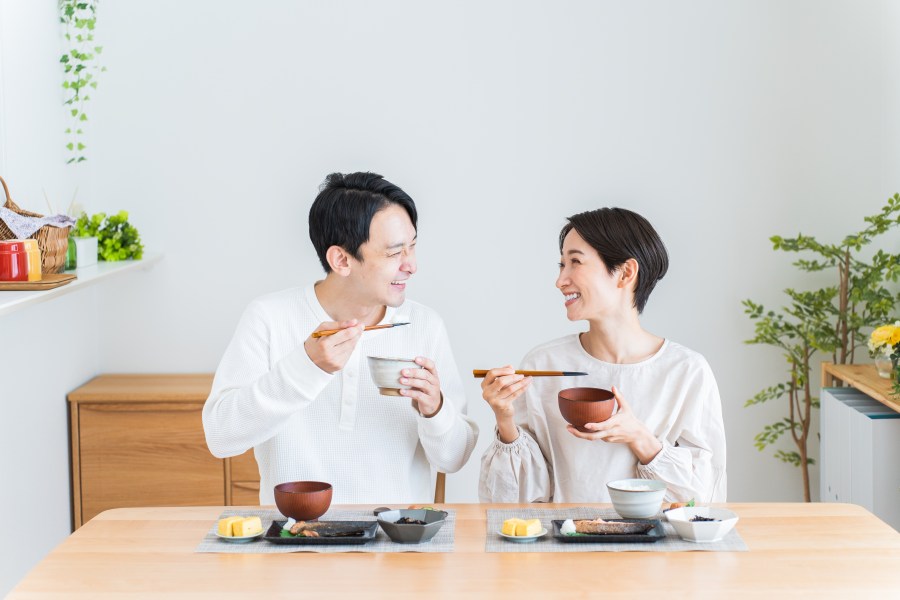
That’s the idea behind hara hachi bu, a centuries-old Japanese eating habit that’s quietly becoming one of the most talked-about approaches to eating well – without dieting.
In parts of Japan, particularly Okinawa – home to some of the world’s longest-living people—eating isn’t about restriction or indulgence. It’s about awareness.
Hara hachi bu translates loosely to: eat until you’re 80% full. Not 100%. Not “one more bite.” Just enough. It sounds almost too simple. But that’s exactly the point.
There are no forbidden foods. No calorie targets. No rigid structure. Instead, the focus is on slowing down, paying attention, and recognising the moment when your body has had enough – even if your plate hasn’t.
Why it works without trying to
Here’s the thing most diets get wrong: they rely on control. Hara hachi bu relies on awareness.
When you eat more slowly and tune into hunger cues, something shifts. You don’t need to force yourself to eat less – it happens naturally.
Research on the practice itself is still developing, but studies of populations who follow similar patterns show consistent results. People tend to consume fewer calories without consciously restricting. Over time, they gain less weight, and their average body mass index is lower.
Men following this style of eating also appear to make better food choices – more vegetables, fewer refined carbs – without being told to. It’s less about discipline, more about alignment.
The real win: breaking the cycle
If you’ve ever bounced between strict dieting and overeating, this is where hara hachi bu hits differently. It doesn’t ask you to overhaul your life. It asks you to pay attention.
That subtle shift matters. Because the biggest problem with most diets isn’t that they don’t work – it’s that they don’t last.
Hara hachi bu builds something more sustainable. It overlaps with mindful and intuitive eating, both linked to reduced emotional eating and better long-term habits. Instead of fighting your body, you start listening to it.
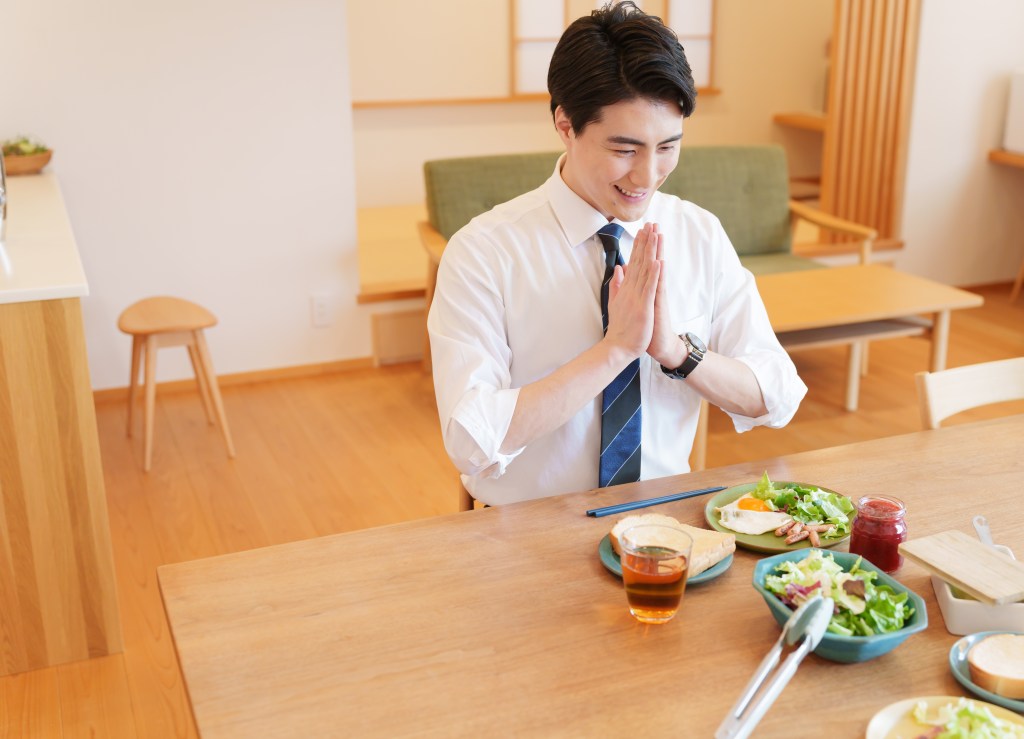
Of course, eating this way isn’t easy in today’s world. Most meals happen alongside screens. In fact, around 70% of people eat while using a phone or watching something.
And that distraction comes at a cost – higher calorie intake, fewer nutrient-dense foods, and a greater risk of overeating. Hara hachi bu pushes against that.
It asks you to be present. To actually taste your food. To notice when hunger fades and fullness begins. It turns eating from something automatic into something intentional.
Not a rule, a skill
But here’s where people get it wrong: treating it like a strict limit.
This isn’t about cutting yourself off mid-meal or ignoring hunger. And it’s not ideal for everyone. Athletes, growing bodies, or those with higher energy needs may require more fuel.
The goal isn’t to eat less at all costs. It’s to eat appropriately – something most of us have lost touch with. Done right, hara hachi bu becomes a skill. One that sharpens over time.
The bottom line
We’ve turned eating into something complicated – tracked, optimised, controlled. Hara hachi bu does the opposite.
It simplifies everything down to one question: Have I had enough? Answer that honestly, and you don’t need much else.