
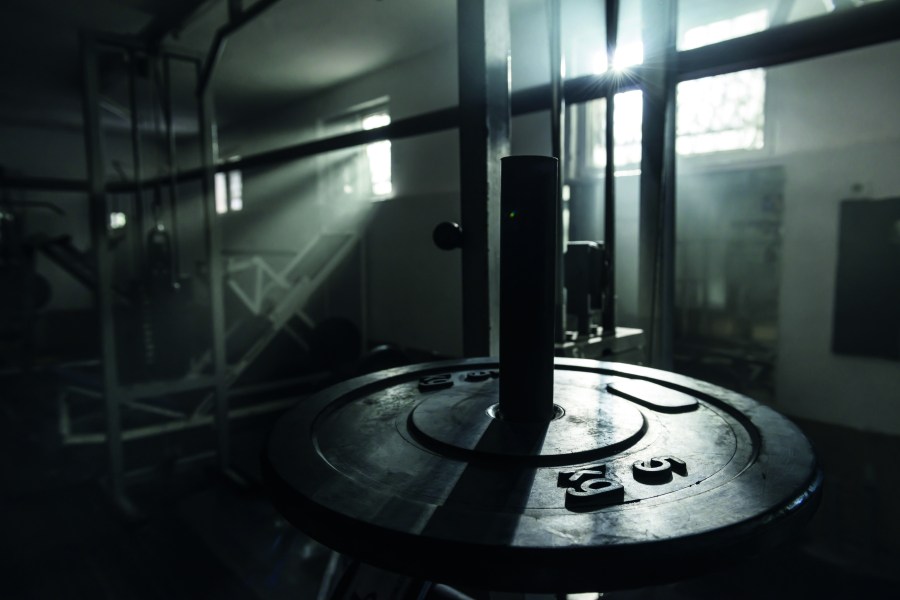
Have you ever felt anxious at a gym? Chances are you’re experiencing ‘gymtimidation’ and, as Ryan Hall writes, it’s more common than you might think
In a recent UK Fitness Report, commissioned by Puregym, 56% of gym-goers revealed they suffered some form of gym-related anxiety. Human nature is a broad science, and there is no hard and fast rule as to how anxiety affects each individual. But for men in particular, the gym can be an intimidating place.
A study published in the journal Wellbeing, Space and Society, for example, found that men often try to out-compete each other in the gym to adhere to stereotypical masculine images, which can lead to increasingly toxic atmospheres.
While most of the men I spoke to identified with this narrative and worried about not being strong enough, I heard other, more nuanced stories. One man told me that he felt intimidated setting foot in a gym unless he was wearing the latest, branded gym clothing.
Another told me that he knew he was unfit, knew that going to a gym would lead to a healthier lifestyle, but wouldn’t go because he was worried about being judged by others. A further theme that came through was not knowing how to use certain bits of equipment, or feeling stupid when having to ask how to set up a machine.
Anyone and everyone
Gymtimidation doesn’t discriminate, either. Sam Shaw has been a PT for the last 12 years, as well as a professional fitness model. When I speak to him, he strikes me as a bright, bubbly, confident guy. He’s clearly very knowledgeable and passionate about his job. But he’s also suffered from a form of gymtimidation.
“I was really overweight as a kid, and bullied for it,” he says. To get into shape and stop his tormentors, he turned to sport – specifically rugby. He started to visit the gym, training hard, and lost a load of body fat – so much so that other members would ask his advice on losing weight and getting fit. That ignited his love for helping others and set him on the path to becoming a qualified PT. His online personal training service, Lemon Studios PT, was born nine years ago.
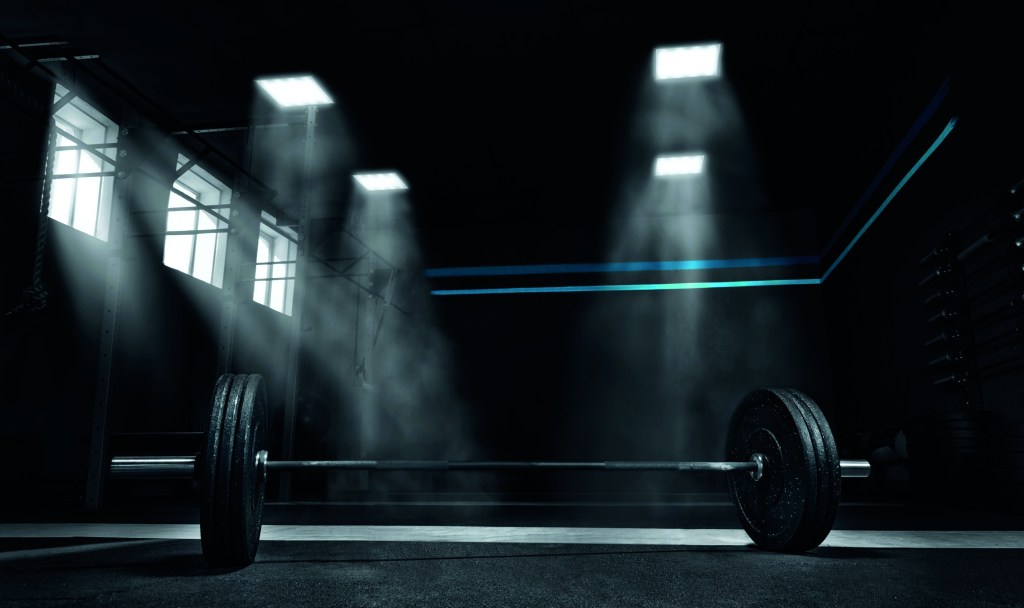
However, it wasn’t long before gymintimidation began to rear its head. It all started after he’d trained for a fitness competition, dedicating his life to getting into the best shape he could. After the competition had finished and Shaw was back at the gym, he started to hear little comments from other members.
They asked him whether he was in the bulking phase or had even given up competing. These remarks might seem innocent enough, but they had a profound effect. He soon felt under pressure to look a certain way, both as a competitor and PT.
“It got to a point where I was sat in the gym car park, thinking, I don’t want to do this, so I just drove home,” he says. In order to fight the anxiety and get back to doing what he loved, he had to strip back his own thoughts, feelings and attitudes to their component parts. Once these were laid bare, he was able to delve into his own psychology and look for coping strategies.
“I wasn’t even aware what anxiety was,” he admits. “Previously I thought I was invincible.”
Safe spaces
The good news is that gymtimidation can be fought. And while the new wave of fitness platforms represent one option – allowing you to stream a PT directly into your living room – there are alternatives for those who still want to leave the house.
GYMPODS is a stone’s throw from Kingsland High Street in Hackney, East London. Mike Crockett, who has over 25 years’ experience in the fitness industry, is the co-founder along with Simon Hayes and Liam Horne.
The concept is simple.
There are 15 individual ‘pods’ in the gym, seven of which are dedicated to strength, two to HIIT, five to cardio, and the last one to reformer pilates. Users simply book which pod they want to use with an appropriate timeslot, shut the door behind them and get a workout away from prying eyes.
Being scared of making mistakes is one of the biggest problems for men. No one wants to be seen as a novice. But the very essence of learning is making those mistakes and reflecting on them. Throughout Crockett’s long career, he’s seen many users who’ve suffered from gymtimidation, and he believes GYMPODS is the perfect antidote: “You can practice in an open space where you can get things wrong.”
Find the fun
Frank Sinclair is the owner of Fit with Frank, specialising in personal training and online fitness programmes. He has over 20 years’ experience in the fitness industry. We speak about gym-related anxiety and the extreme effect it can have on people. He tells me it’s one of the reasons he started Fit with Frank:
“It was made to connect with people who hadn’t been in the gym for years. Many people have a negative image of what a gym’s like. By breaking down those barriers, people open up to exercising.”
We talk about the obstacles men face, and he’s quick to speak about the part social media has to play, with many men feeling that some of the physiques they see on various platforms aren’t realistically attainable.
It’s something that Crockett agrees with, telling me there’s “a huge amount of judgement online” which only acts to enhance the problem of gymtimidation.
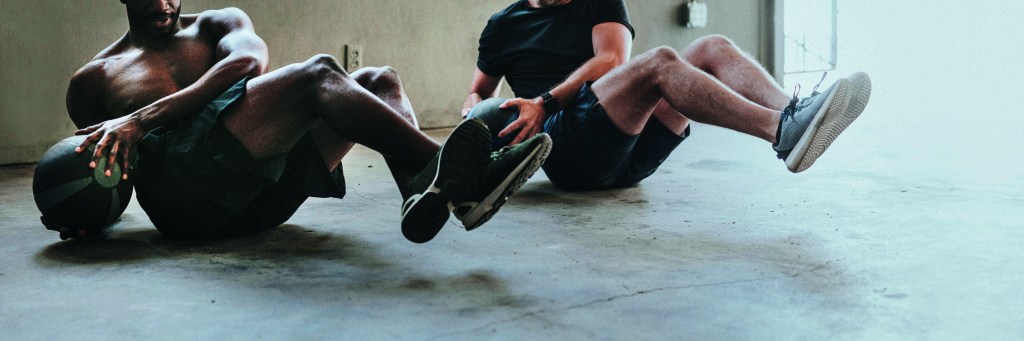
I ask Sinclair about how he advises his clients to overcome it. “Day one, just get in there,” he says. “Get on a bike, which is safer because you can sit down and hit quick start.” It also pays to remember the basics of a gym and why they exist. “Every gym is different, but the essence is to move your body in some way,” adds Sinclair.
He doesn’t advocate the use of technology, though – especially for someone who’s new to the gym environment – because it can lead to confusion. Throughout our conversation we circle back to simplicity. Once you’ve mastered the basics and felt your comfort levels rising, you can branch out.
“Gyms are playgrounds,” he says. “They need to be explored.” And he’s quick to point out that most people are too busy with their own workouts to worry about what others are doing.
“No one is perfect in the gym,” he adds. “Once you realise that, you’ll feel a lot better.”
LIFT OFF
New to weightlifting? Here’s how to work out smarter and harder…
1. Pick the right weights
If you’re unsure of the weight to use on a given exercise, err slightly on the low side and concentrate on good form. As an example, assume you’re aiming for 8-10 reps on shoulder press. If you hit 10 reps in your first set, increase the weight by around 5% at the next session.
If you can’t even get 8 reps in your first set, you’ve started too heavy. Drop the weight by 5-10% for your remaining sets. If you’ve only got one set of weights, pick a number of reps that means you’re close to failure by the final move or slow the tempo
2. Be flexible
If the gym’s busy or your kit of choice is being used by others, you’ll need a backup option. There are alternatives for every move. Use a dumbbell for a kettlebell swing, for example, or the cable machine for the TRX biceps curl.
3. Log your lifts
At the very least, record the weights you’re using so you can aim to better them in your next workout. If you’ve got time, though, record how you felt during sessions, what extra activity you did and how you slept – it all helps.
4. Avoid distractions
If you’re training at home, take your phone off the hook or set your mobile to airplane mode. Ring-fence the time you need to work out.
5. Push through
Everyone has bad days in the gym. Don’t get discouraged if you are tired or can’t lift more weight than last time. A top weightlifting tip for beginners is to stick to your plan, push yourself and you’ll keep making progress.