


Leaving an abusive relationship is only the beginning. As more men come forward, a new wave of recovery tools is helping them rebuild confidence, reclaim control and move forward for good
When Craig Newman left his abusive relationship, he was surprised at the lack of options for those looking to move beyond initial crisis support and set off on a path towards recovery.
“It was incredibly complicated to understand how you recovered,” he tells MF, “which seemed pretty bizarre, given what I do for a living.”
Newman is a clinical psychologist and has spent his career building eHealth programmes and solutions, helping people with mental health challenges. So, after working on his own recovery, he developed a model and began working with others who had found themselves in similar situations.
“It really revealed to me that there are massive gaps in the sector in terms of how we support people,” he says. “And when I say gaps, I mean chasms when it comes to men,” he says. “There wasn’t a long-term recovery model, programme or product available, which I’ve come to learn is an artefact of the way that the sector works, as it’s primarily focused on trying to support those in crisis.”
Newman’s recovery programme, called Get Out, Get Love (getoutgetlove.com), is designed to help men and women who have been in abusive relationships move beyond the initial need for crisis support. He says the aim is to help people understand why abuse occurred, what happens to them as a result and the needs that they have due to the experience. Available as an online course (£7.99 per month) and also as a forthcoming book, it’s aiming to take a fresh, therapeutic approach to the issue.
Gradual process
According to Mankind Initiative, a male domestic abuse charity, one in three victims of domestic abuse in the UK are male. SafeLives, another charity focused on ending domestic violence, says that just 4.4% of victims are being supported by local services. Meanwhile, police recorded a total of 41,626 cases of coercive control in the year to March 2022, up from 33,954 in the previous 12 months. The rise may be attributed to new laws which criminalise such abuse.
“Women are the majority of victims,” says Ippo Panteloudakis, head of services at Respect, a domestic abuse organisation that works with both victims and perpetrators. “But there are also male victims experiencing domestic abuse by both female and male partners.” The problem, he says, cuts across all kinds of relationships, whether LGBTQ or heterosexual.
“Domestic abuse isn’t always what we assume and I certainly didn’t think I had suffered from it,” says Kelvin (not his real name). “I came out of a long-term relationship at the start of the pandemic and hadn’t appreciated the affect it had on me.”
Kelvin is not alone. Such relationships develop over time, often blindsiding the victim, explains Mark Brooks, the chair of Mankind Initiative:
“It’s a gradual process, where you lose identity, independence and control,” he says. “In effect, the person committing it has full control of the victim’s life, cutting them off from friends and family. The victim is being bullied and humiliated.”
Newman says that often victims will not detail their abuse in public, usually as there are legal and financial implications, especially if the custody of children is at stake. But the personal toll on victims’ mental health is clear.
“Domestic violence and abusive relationships are associated with anxiety, depression, PTSD and substance abuse,” says Clair Morrow, a therapist based at Brighton Lanes Counselling. “The ramifications of this are far-reaching, often impacting a person’s ability to work, care for dependents and lead fulfilling lives.”

Self-esteem spiral
“The sheer scale of abusive relationships tells us they aren’t unusual,” says Craig Newman, pointing to the fact the issue costs the NHS £2.3 billion annually, with 500,000 GP appointments every year related to domestic abuse. “It’s extremely common, which is why we built this programme.”
He says that the main driver behind Get Out, Get Love is reframing the issue and helping victims to understand it better.
“We have never been given an understanding of why psychologically it is normal for certain types of people to become victims of abuse. And that you don’t need to feel ashamed. You need to understand it and understand what that means in terms of the work you’ve got to do to get over it.
“The primary risk factor is self-esteem,” he adds. “Low self-esteem puts you at high risk of being in these relationships. And without doing the work, you’re likely just to replace [your last partner] with someone else.
“It’s a very positive thing. It’s empowering,” he says of the programme. “It’s delivered from a collective standpoint. We never say ‘I’ or ‘you’, it’s always ‘we’. It’s always ‘we have these types of experiences and maybe you’ve had this type of experience, because that’s common’. It’s a collective voice that gets people to realise it’s normal.”
For Tom (not his real name) the process has been a positive one.
“After enrolling in the programme, I realised I had learned behaviours from my previous relationship which I wasn’t aware of and was still using with my new partner. This came as quite a shock. The programme didn’t dwell on the abuse or ex-partner, but on moving forward. I’ve been able to move on with my life and remove subconscious anxieties I wouldn’t have otherwise been able to address.”
Kelvin, too, has noticed a positive change”
“[The programme] caused more than a few moments of clarity and let me identify that I was still using learned behaviours that caused me anxiety, even with my new partner. A good example was that I was cutting short time with friends, worried how my partner might react, when it wasn’t even an issue with my new partner. I have started to unlearn old behaviours from my previous relationship, feel more confident and am able to look to the future positively, while not dwelling on the past.”
Essential services
While Get Out, Get Love signals a new way of doing things, there remains a major challenge in delivering services to people who are looking to escape an abusive relationship before beginning the process of recovery.
“There isn’t a universal service for all victims of domestic abuse proportional to the need,” says Panteloudakis. He highlights the fact that in London there are no dedicated places of refuge for men escaping abuse, after a pilot service which opened during lockdown closed. The financial and emotional ties that bind relationships can also feel impossible to break, meaning there remains an urgent need for crisis lines, web chat tools and email services for those in perilous situations.
“There are many reasons why a person may struggle to leave an abusive relationship: money, housing, and caring responsibilities can all play a part, as can cultural norms and expectations,” says Morrow. “There is also a very real risk to leaving, as we know there is a rise in violence and death after separation, so I strongly urge anyone thinking of leaving to contact a support organisation.”
For those who have been able to get out of a toxic relationship and are beginning their recovery, the important thing, says Newman, is that they focus on the work. “It’s like going into the gym,” he says. “You have to maintain it. With the right work, you can absolutely keep these people out of your life and have great people in it instead. But it does take work.”
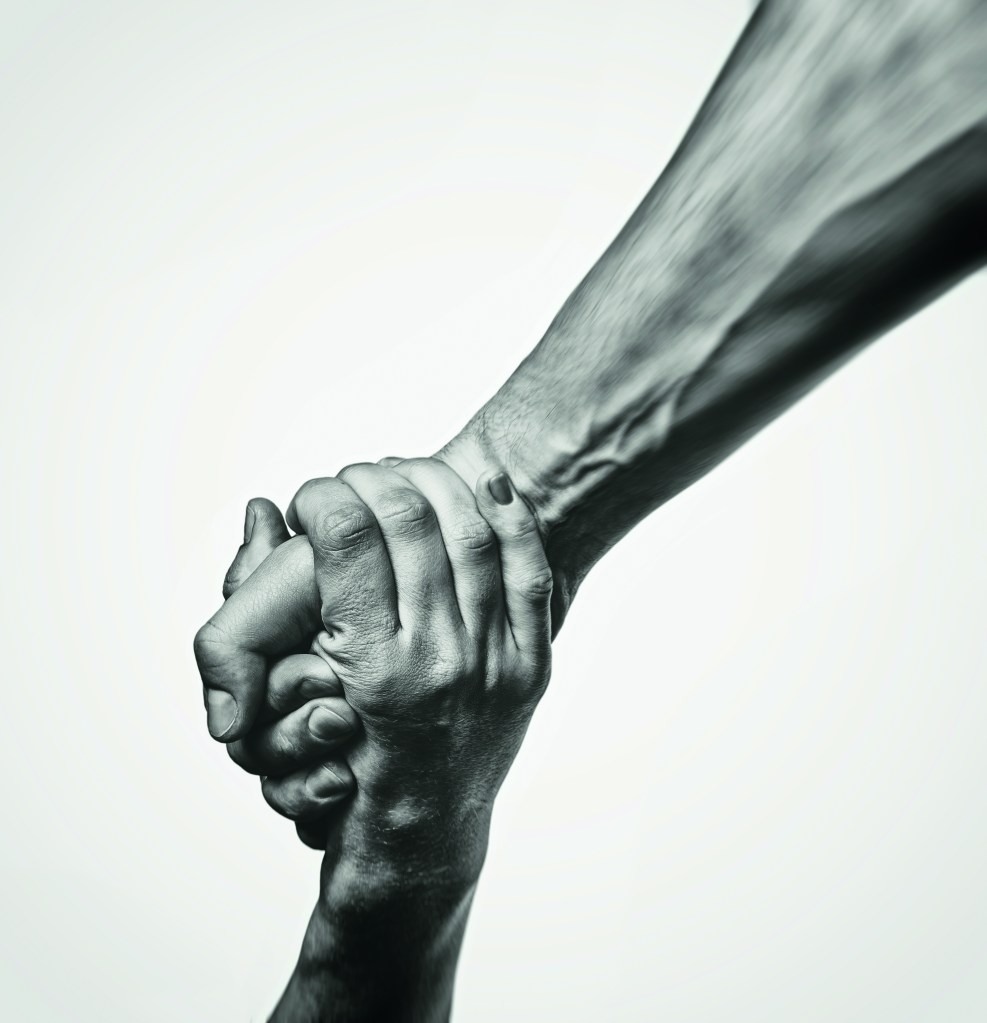
Seeking support
Three services for those in abusive relationships
Mankind Initiative
Mankind offers support service for men in abusive relationships. This includes a confidential listening service, advice on planning an escape, police procedures and signposting for specialist help. Visit mankind.org.uk or call 01823 334244
Men’s Advice Line
Run by Respect, the Men’s Advice Line offers a freephone number, email address and web chat service, delivering emotional support and access to legal advice. Contact them on 0808 8010327, Monday to Friday, 10am to 8pm; email [email protected], Monday to Friday between 9am and 8pm; or use the web chat service on Wednesdays between 10am and 11.30am, and 2:30pm and 4pm. Its website, mensadviceline.org.uk, also has lots of resources for those in crisis.
Galop
LGBT+ charity Galop has a dedicated helpline, email address and web chat service, as well as a chatbot for frequently asked questions. You can call 0800 999 5428 for free Monday to Thursday, from 10am to 8:30pm; and on Friday from 10am to 4:30pm. You can leave a message and will be called back if you can’t get through. Alternatively, you can email [email protected] or use its web chat service available through galop.org.uk, which works on mobile as well as desktop. They offer urgent help and referrals to specialist local services.