

We examine 3D movements for simple tasks and explore whether you are exercising in 3D and why you should
Think about daily movement, not necessarily gym work or excessive exercise, but the simple, everyday moves you make. You’re not moving in a single direction for many of these. If you bend down to pick something up or turn to look over your shoulder while parking your car, you’re moving your body in various 3-dimensional ways.
What is 3D training?
Whether you’re performing a squat, hanging out the washing, or even getting in and out of the car, your body is moving in different directions. There are rotations and bends sideways, backwards and forwards. These planes of movement occur across three planes. Michael Baah, Celebrity Strength Coach and Founder of Just Train CIC, puts it succinctly: “3D training matters because life rarely happens in straight lines.”
Three planes
The three planes of movement we use are:
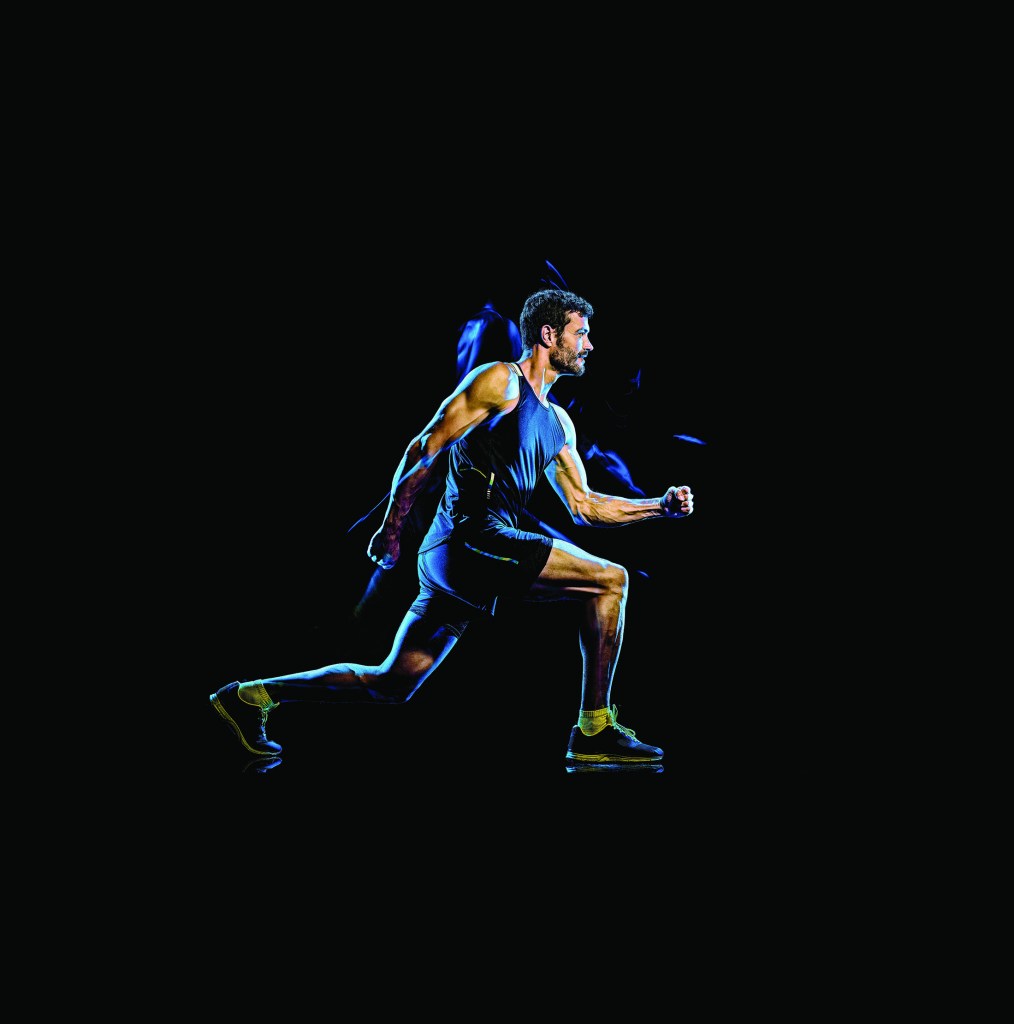
- Sagittal plane: These are front (forward) to back (backwards) movements, such as lunges and squats.
- Frontal plane: Focuses on side-to-side movements like lateral step-ups or side lunges.
- Transverse plane: These are rotational movements like twists.
3D fitness training helps develop strength, stability, and mobility across all three planes of motion, strengthening your neuromuscular pathways, coordination, and connective tissues.
Limitations of one-dimensional training
One-dimensional training is good for you, but it’s limited. While one-dimensional training can help you achieve positive health changes, such as building muscle and improving cardiovascular endurance, it is limited in practice. That’s because by exercising across one plane of movement, you’re not fully mirroring the moves you do in real life.
Baah says: “Traditional gym training is brilliant for building strength, but it tends to focus on forward and backwards movement. Squats, deadlifts, presses, and running. If that’s all you do, you can feel strong in the gym, yet oddly cautious or unstable in everyday life.”
For example, strength training exercises such as biceps curls only move in one plane. Or, when you go for a walk or run, you will move your transverse plane as you are rotating your hips and trunk. But you’re limiting your body across the other planes. Therefore, if all you ever do is run, your body may not be well prepared for daily movements like quickly getting in and out of your car (which involves the frontal and transverse planes).
Good for your body, yes, but limited for real-life moves, also yes.
Does it really matter?
It’s not just us; there is a growing commitment to functional fitness, which is a similar movement approach to 3D training.
Like 3D training, functional fitness focuses on movements designed to improve physical performance beyond the gym. While functional fitness training includes strength, power, mobility, and endurance movements, it doesn’t necessarily focus on the combination of multiplanar moves, as 3D does.
The American College of Sports Medicine (ACSM) has conducted an annual worldwide survey for 20 years, with contributors from across the fitness industry. The ACSM’s Health & Fitness Journal predicts fitness trends for 2026, and functional fitness training comes in at number ten as a 2026 trend.
3D for health ageing
As we age, the risk of falls and injury increases. According to the National Institute for Health and Care Excellence (NICE), approximately a third of people aged 65 or over fall at least once a year, rising to half of those aged 80 or over.
As Baah says: “Most injuries as we get older don’t come from the gym. They happen in normal moments, missing a step on the stairs, slipping on wet pavement, stepping off a curb while carrying shopping, twisting quickly to catch yourself.”
“Those movements are multi-directional, often unexpected, and they demand rotation, lateral control, and the ability to regain balance fast,” he adds.
While there’s no proven correlation between functional fitness or 3D training and a reduction in falls, being prepared for daily activities may help reduce the risk of falls and injuries.
Baah agrees: “3D training teaches the body how to slow down, change direction, stabilise, and then move again with control. As we age, coordination, balance, and force control usually decline faster than raw strength. Training those qualities helps reduce trips and falls, protects joints, and keeps people confident in how they move.”
3D training for injury prevention
Daily life is unpredictable, and 3D training might just be the thing to save you from the unexpected. It can help with balance and coordination and improve neuromuscular control. If you encounter uneven terrain or need to change direction quickly, and you’ve been practising 3D training, your body should be better at adapting to sudden changes safely and efficiently.
In addition, joints and muscles don’t work in isolation (other joints or muscles will be activated). So, when you do something as basic as bending to pick up something or reaching overhead, many muscles and joints will be activated. Therefore, the more you move these different parts during 3D training, the better prepared they are for various movements.
Plus, if you practise movements through the three planes, your body will be used to the various movement types, and hopefully, some parts of the body won’t need to overcompensate when other parts aren’t used to mobility or activation.
Combining movement across planes
The key question is: how do you ensure you challenge your body to move across all three planes during exercise? With some forms of exercise, it’s tricky. Unless you want to go running and add in side-steps and twists (which isn’t advisable!), you need to consider how to incorporate 3D training regularly.
Baah suggests the following example of a short 30-minute intermediate 3D strength workout aimed at building strength, control, and direction change without “turning it into a cardio punishment”.
Time: Approximately 24–28 minutes
Warm-up (3–4 mins)
• Lateral step and reach x 8 each side
• Reverse lunge + gentle torso rotation x 6 each side
• Beast hold shoulder taps x 20 total
Block 1 (8 mins, quality-first)
Repeat for time, rest 20–40s as needed
• Single-leg RDL with rotation x 6 each side
• Lateral lunge with reach x 8 each side
Block 2 (8 mins)
Repeat for time
• Beast crawl forward/back x 20–30 seconds
• Half-kneeling band/cable chop x 8 each side
• Side plank with rotation x 6 each side
Block 3 (6–8 mins)
Repeat for time
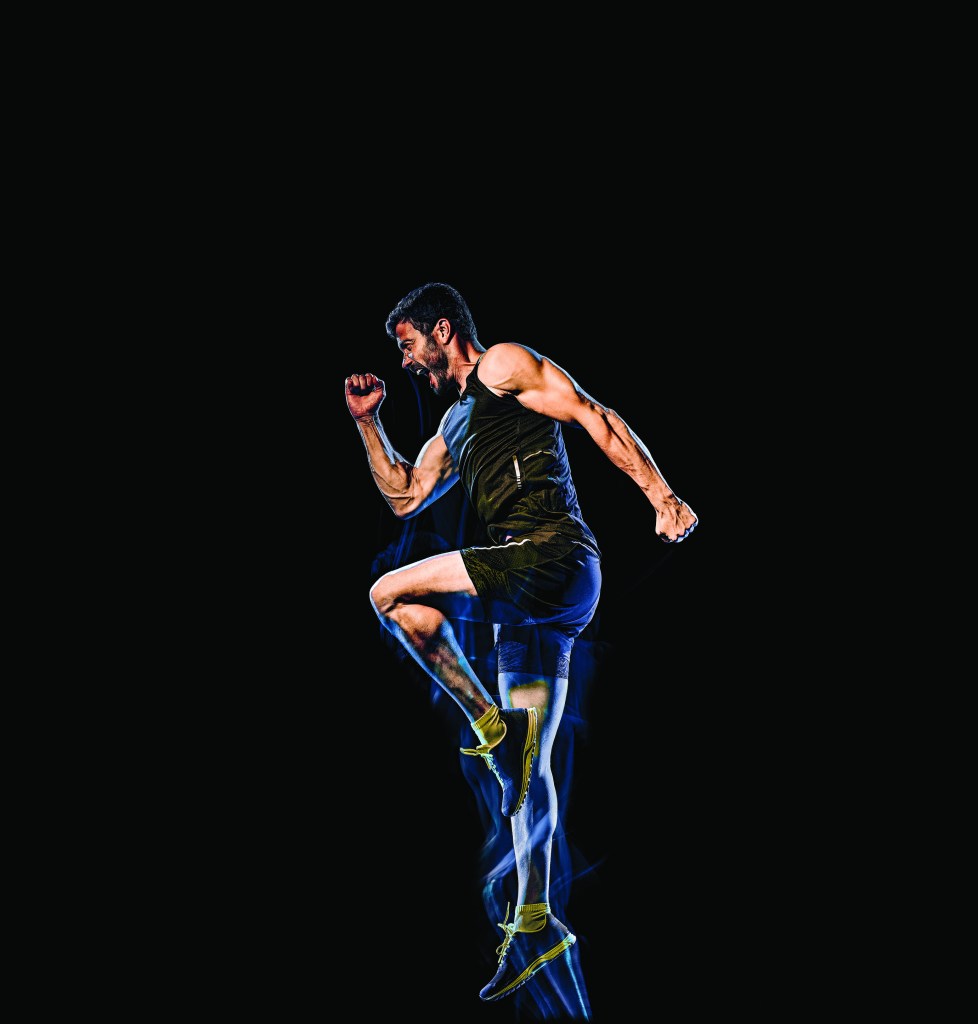
• Skater jumps with a “stick” landing x 6 each side
• Bear plank shoulder taps x 20 total
Optional if kettlebells available: lateral step between swings x 8 each side
What if I am a runner?
Of course, running offers plenty of health benefits, so don’t panic if you’re a runner or walker; you can still incorporate a 3D warm-up to get all three planes active.
Baah suggests the following primer before a run or lifting session:
• World’s greatest stretch with rotation x 3 each side
• Lateral squat to reach x 6 each side
• Standing hip circles (slow, controlled) x 5 each direction per side
• Beast hold with shoulder taps x 20 total
• Reverse lunge with overhead reach + rotation x 5 each side
It doesn’t take much time or effort to incorporate 3D movements into your exercise routine, whatever you choose. 3D training is designed to train your body to function as it does in real life (including rotation, bending, and power across multiple directions at once), creating a body that is faster, more resilient, and more adaptable.