
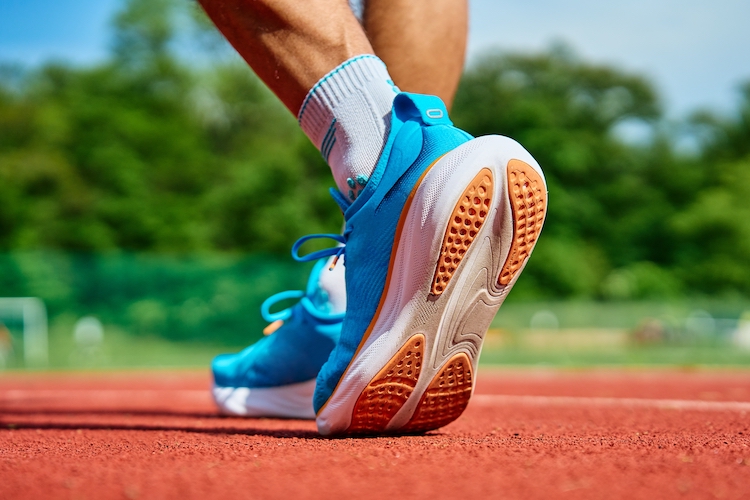
Whatever your favorite distance, these are the best running shoes for the kind of running you do.
When it comes to upping the mileage or smashing your PBs as you progress as a runner, donning a pair of the best running shoes can make a huge difference. Alongside keeping your feet comfortable while pounding the pavements or hitting the trails, modern trainers also offer a range of features to enhance your stride, every step of the way.
To help you put your best foot forward, we put a selection of the latest running shoes through their paces – here’s the cream of the crop.
Why you can trust Men’s Fitness
We spend hours testing every product or service we review, so you can be sure you’re buying the best. Our team of reviewers includes experienced product testers, PTs and fitness writers – as well as the core MF team – who know exactly what sets the best products apart from the rest. Find out more about how we test.
Best running shoes at a glance
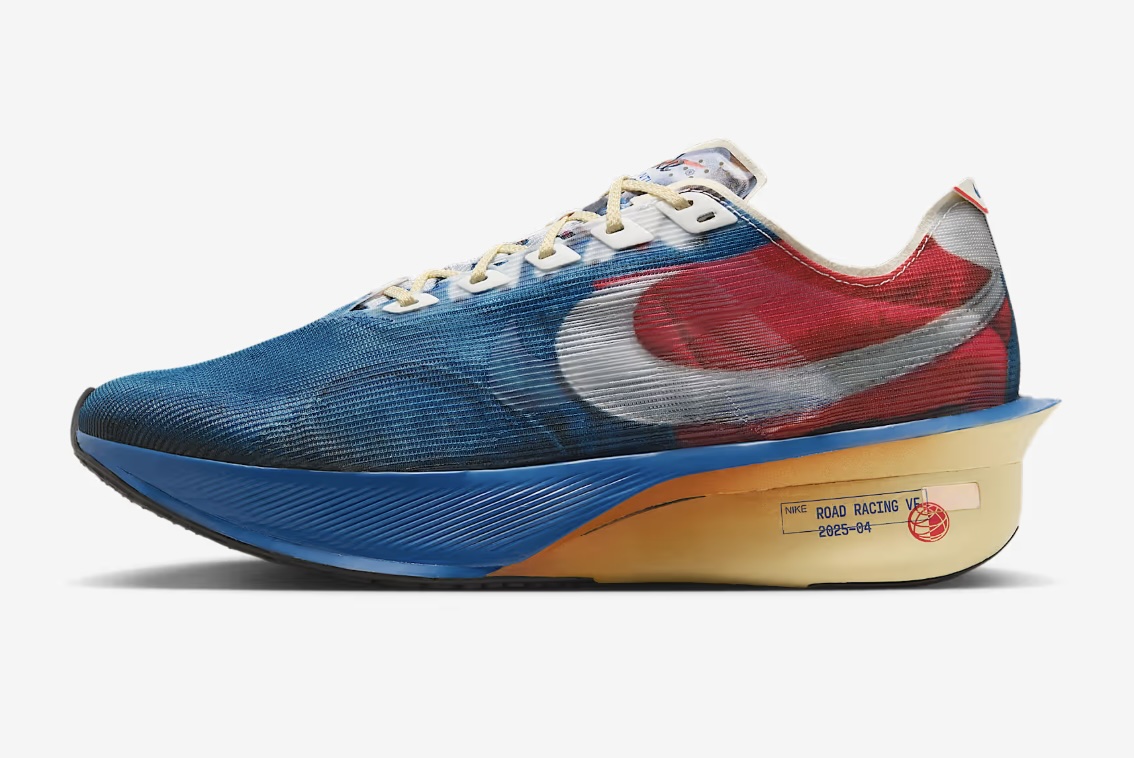
Running shoes mean different things to different people, but one thing our testers could all agree on was the Nike Vaporfly 4 is a fantastic shoe, and the best for fast runners. That means anyone looking to improve their running could benefit from Nike’s carbon super shoe.
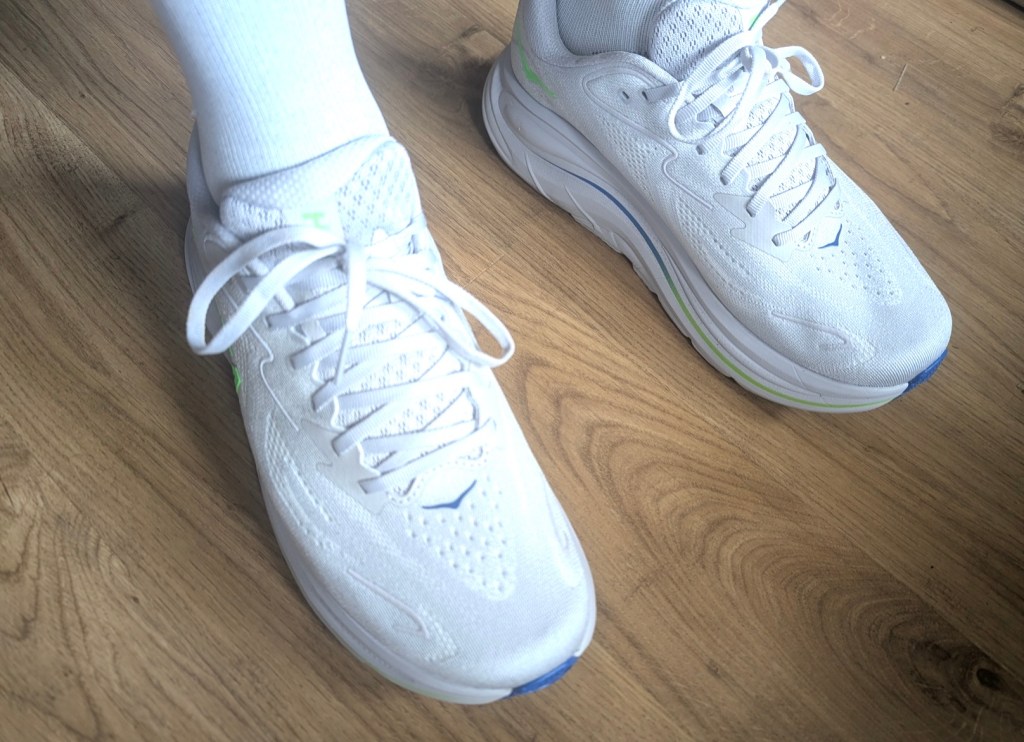
Hoka gets ever closer to that sweet spot between cushioning and propulsion, making the Hoka Clifton 10 perhaps the ideal comfortable daily trainer that’ll quickly become your go-to run shoe.
If you’re looking for a comfortable cruising shoe with a neutral set-up, look no further than the Brooks Ghost Max 3. DNA Loft v3 cushioning and a GlideRoll rocker combine to create a super-comfy ride that still has a spring in its step.
The best max-cushioned shoe we’ve tested is the ASICS Novablast 5, which is a daily trainer that packs an impressive amount of punch. It’s surprisingly responsive for a big shoe.
Brooks’ Adrenaline line has been going for decades, and the Brooks Adrenaline GTS 25 takes its stability for overpronators to new heights, with its unique GuardRail to help you keep your form as you tire.
The Hoka Skyward X is a hulking shoe that prioritises comfort particularly over long distances and lets you cruise at easy to moderate paces in a very smooth and stable fashion.
The Hoka Cielo X1 2.0 has a winning combination of light weight, responsiveness and a smooth rolling turnover, with enough cushioning to make anything from fast 5km to marathon distances possible.
The Saucony Endorphin Pro 4 is an ideal first carbon marathon shoe. It gives you something few carbon shoes offer – great comfort and speed over a range of distances.
The Hoka Rocket X3 is a well-balanced ride and versatile shoe for a range of speeds and distances.
The Brooks Ghost 16 is Brooks’ beginner-friendly, workhorse daily trainer with a new springy foam that still sticks close to the popular Ghost DNA.
Best running shoes tested and reviewed
Best running shoe overall
1. Nike Vaporfly 4
Men’s Fitness verdict
I’d have forgiven Nike for making a carbon copy of its excellent v3 super shoe. Instead it’s made refinements that may divide opinion but there’s no doubting the racing pedigree of the Vaporfly 4.- Light, punchy and energetic
- Softer midsole for more protection
- Lost some stiffness
- Less secure fit
| Specifications | Nike Vaporfly 4 |
|---|---|
| Materials | ZoomX foam; carbon fibre flyplate |
| Weight | 6.8oz / 190g |
| Colors | Seven colorways available |
The Nike Vaporfly 4 maintains the range’s lightweight design, combining a carbon plate with Nike ZoomX foam, but with notable changes. Thinner rubber on the outsole, a higher angled full carbon plate and a heel-toe drop reduced from 8mm to 6mm enhance the shoe’s performance. The Flyknit uppers are lighter and more breathable, while the outsole features a thinner rubber covering with a waffle design for improved grip.
It’s the lightest carbon shoe I’ve tested, but still offers a more stable platform. In testing over 50 miles, including a marathon, it performed exceptionally well, providing cushioned protection but with a slightly softer ride compared to the Vaporfly 3. While it’s still agile and fun, offering better breathability, it sacrifices some race-focused responsiveness for versatility and comfort. Overall, the Vaporfly 4 is a great option for various distances, offering improved stability and protection.
- Read my full Nike Vaporfly 3 review
Best for comfort
2. Hoka Clifton 10
Men’s Fitness verdict
Hoka gets ever closer to that sweet spot between cushioning and propulsion, making the Hoka Clifton 10 perhaps the ideal neutral daily trainer.- Wide, comfy toe box
- Controlled cushioning
- Improved 8mm heel-toe drop
- Could shave a few grams off
| Specifications | Hoka Clifton 10 |
|---|---|
| Weight | 278g/9.8oz |
| Heel-toe drop | 8mm |
| Stability | Neutral |
| Sizes | UK 7-12.5 |
After two months of testing, the Hoka Clifton 10 feels like a refined evolution over v9, rather than a complete redesign. It keeps the familiar cushioned ride while adding a wider toe box, a higher 8mm heel-to-toe drop, and a more secure double lace lock. The result is a plusher, more stable shoe with smoother transitions and quicker turnover, without sacrificing comfort or grip. Although it’s slightly heavier, the difference is unnoticeable on the run, and breathability remains solid. Existing Clifton fans will appreciate the subtle improvements, which in my opinion, make the Clifton 10 an excellent choice for comfortable, high-mileage daily training.
- Read my full Hoka Clifton 10 review here
Best for overpronators
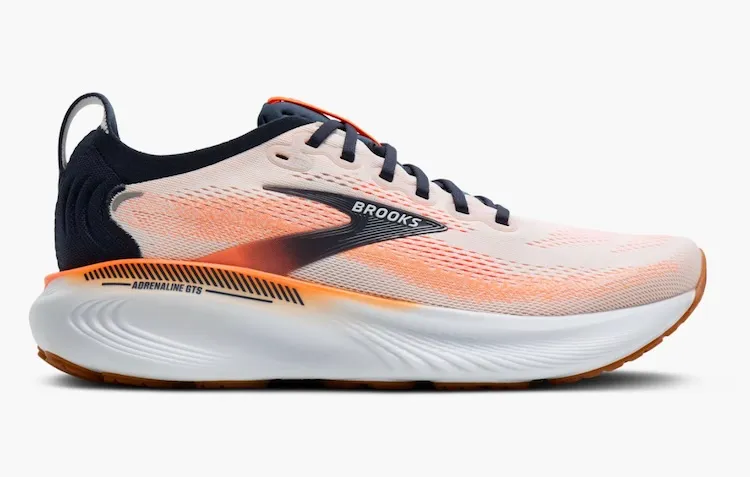
3. Brooks Adrenaline GTS 25
Men’s Fitness verdict
If you’re an overpronator looking for a reliable stability shoe for mixed daily training, I can recommend the GTS 25. It’s not quite light or sprightly enough for regular high tempo efforts though.- Well balanced
- GuardRail gives support to overpronators
- Four widths to choose from
- A little too heavy for pacey runs
| Specifications | Brooks Adrenaline GTS 25 |
|---|---|
| Materials | 66.2% recycled materials |
| Weight | 300.5g / 10.6oz |
| Colors | Eight colorways available |
The Brooks Adrenaline GTS 25 offers a similar design to its predecessor, and continues to focus on stability and comfort. It updates the guide rail around the midsole, promoting proper foot spreading and strengthening. This design aids overpronators by encouraging a more balanced push-off. The shoe’s balanced feel and subtle cushioning, especially under the forefoot, promote correct running form for various paces and distances.
Compared to the GTS 23, it features a slightly softer DNA LOFT v3 midsole and a wider forefoot for a plush yet responsive ride. Weighing bang on 10oz, it’s suitable for everyday training, offering comfort and reliability. With more than 60% recycled materials in the uppers and various width options, it’s a solid choice for stability-seeking runners, especially at its price point.
- Read my full Brook Adrenaline GTS 23 review
Best for neutral runners
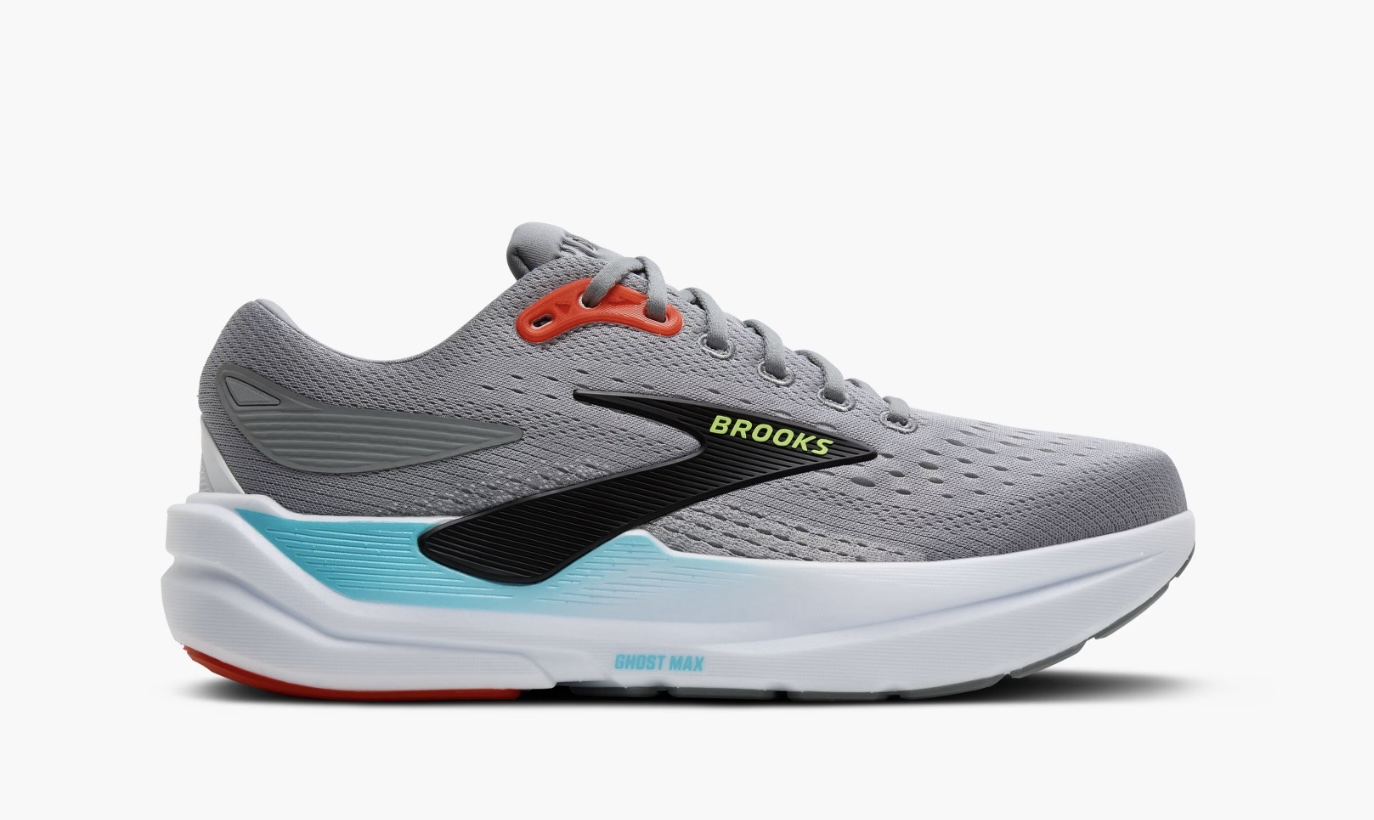
4. Brooks Ghost Max 3
Men’s Fitness verdict
The Ghost Max 3 has real comfortable cruiser credentials with a consistent, stable ride, but there’s not quite enough pop when you want to pick up the pace.- Comfortable fit
- Mild but well rockered ride
- Good stability
- Midsole foam is a little dull
- Not one for tempo work
- Could be lighter
| Specifications | Brooks Ghost Max 3 |
|---|---|
| Materials | DNA Loft v3; 60.1% recycled uppers |
| Weight | 317.5g / 11.2oz |
| Colors | Six colorways available |
The Brooks Ghost Max 3, similar to the Ghost and Glycerin 20, offers a good blend of comfort and performance. Available in three width options, we found it suits narrow feet well, with ample space in the toe box and no heel slippage issues. Featuring a higher stack of DNA Loft v3 cushioning compared to the Ghost 15, it provides a stable and protective platform, enhanced by the GlideRoll Rocker for smooth transitions.
While we thought the cushioning may feel slightly dull compared to the Glycerin 20’s livelier foam, the Ghost Max 3 excels in easy-paced runs, offering a smooth and consistent ride. However, it may lack responsiveness for faster runs. It offers reliable grip on various terrains, making it suitable for most runners’ needs.
- Read my full Brooks Ghost Max review
Best for cushioned comfort
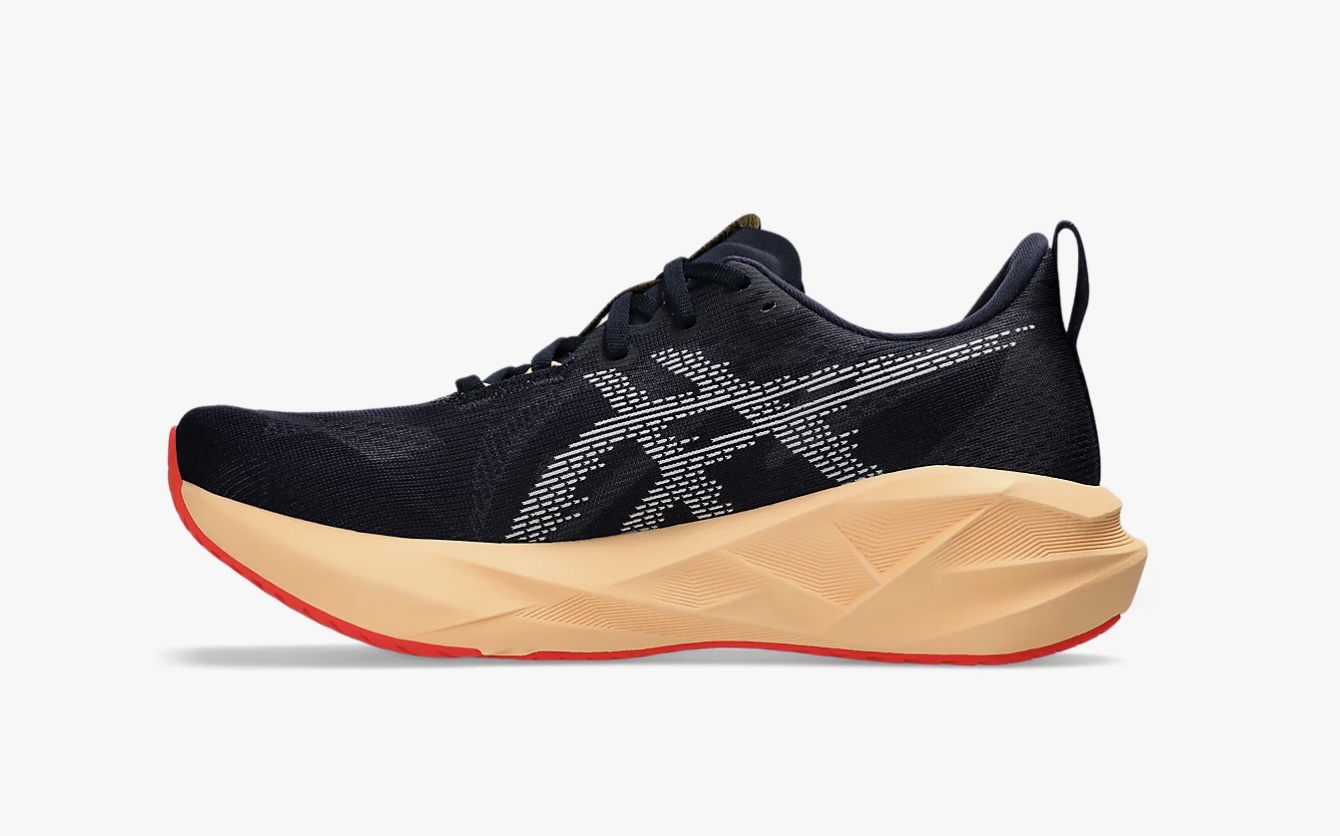
5. ASICS Novablast 5
Men’s Fitness verdict
A big improvement on its predecessors, with more responsiveness despite big cushioning. If you like maximal shoes with a softer edge you’ll likely enjoy this shoe.- Big, cushioned comfort
- More responsive ride than the Novablast 3
- A bit on the bulky side
- Sometimes a bit too soft
| Specifications | ASICS Novablast 5 |
|---|---|
| Materials | Upper made from at least 75% recycled materials; FF BLAST™ MAX cushioning |
| Weight | 255g / 9oz |
| Colors | Seven colorways available |
| Sizes | 6 – 15 (US) |
The ASICS Novablast 5 maintains its bulky appearance but introduces significant updates. Featuring FlyteFoam BLAST MAX midsole foam with recycled materials, it enhances stability and transitions with a more aggressive rocker. The engineered woven upper offers improved stretch and durability. The shoe’s design now includes higher side walls, an upward-sweeping toe box, and neoprene-like tongue wings for better foot wrap.
Despite a slightly increased weight from the previous model, it remains lighter than competitors like Gel Nimbus 25 and Brooks Ghost Max. Priced at £135 / $140, it maintains its cushioned comfort but feels firmer and more responsive, suitable for various paces. While still bulky, I felt the wider base enhances its stability. Overall, Novablast 5 is an upgrade, appealing to fans of maximal, cushioned shoes with added responsiveness.
- Read our full ASICS Novablast 4 review
Best for training miles
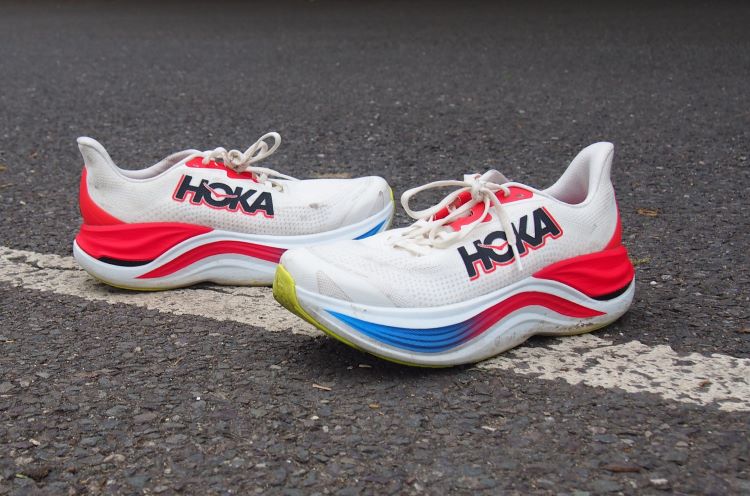
6. Hoka Skyward X
Men’s Fitness verdict
A hulking shoe that prioritises comfort particularly over long distances and lets you cruise at easy to moderate paces in a very smooth and stable fashion.- Accommodating fit and very comfortable
- Surprisingly snappy feel for a big shoe
- Runs lighter than it looks
- Not made for all-out speed
- Heavier than other max cushion super trainers
- It’s not cheap
| Specifications | Hoka Skyward X |
|---|---|
| Materials | Flat knit mesh upper; dual-density PEBA and EVA midsole foams; carbon fibre plate |
| Weight | 320g / 11.3oz (UK men's size 8) |
| Colors | Lemonade and sunlight / Blanc de blanc and virtual blue |
| Sizes | 6 – 15 (US) |
The Skyward X is a whole lot of shoe, putting a big stack of foam between the road and your feet with the goal to protect your legs, particularly when you’re going long. There’s two different foams in play, with a PEBA-based one similar to the type that typically crops up in more low-profile racing shoes to provide big bounce and high rebound. That’s balanced out by Hoka’s EVA-based supercritical foam, which frames the bouncier PEBA to bring a more responsive and stable feel. Sandwiched in between those foams is a carbon plate to help you roll swiftly through your running stride in a more efficient manner to keep those legs feeling fresher.
The Skyward X would be an ideal option if you were looking to do a marathon and wanted to cruise over that distance in something that offers plush, but not overly-plush cushioning. So something that offers a strong level of comfort and protection. It’ll be a satisfying ride from start line to finish line, that’s for sure.
- Read my full Hoka Skyward X review
Best carbon-plated run shoe

7. Hoka Cielo X1 2.0
Men’s Fitness verdict
The Cielo X1 has a winning combination of light weight, responsiveness and a smooth rolling turnover, with enough cushioning to make anything from fast 5km to marathon distances possible.- Lightweight and fast
- Comfortable and well-cushioned
- Smooth rolling at high speed
- Bulky compared to other carbon racers
- Laces not the most secure
| Specifications | Hoka Cielo X1 2.0 |
|---|---|
| Materials | Jacquard mesh upper; dual-density PEBA midsole foam; carbon fibre plate |
| Weight | 228g / 8oz |
| Colors | Skyward blue / Cielo blue |
| Sizes | 5 – 13.5 |
Hoka’s minimalist Cielo X1 2.0 carbon race shoe is paired back for a lightweight, responsive ride. With an aggressive rocker shape, breathable knit upper and gusseted knit tongue, its design locks your feet to improve racing speed and control. Its carbon plate is sandwiched between two layers of resilient PEBA foam and the shoe has a stack height of 29mm to 32mm, with a 7mm drop.
With large cutaways and an aggressive rocker, the Cielo X1 2.0 has a winning combination of light weight, responsiveness and a smooth rolling turnover, with enough cushioning to make anything from fast 5km to marathon distances possible. It may be expensive but the Hoka Cielo X1 2.0 is certainly a worthwhile investment with plenty of race-winning potential.
- Read my full Hoka Cielo X1 review
Best for marathon racing
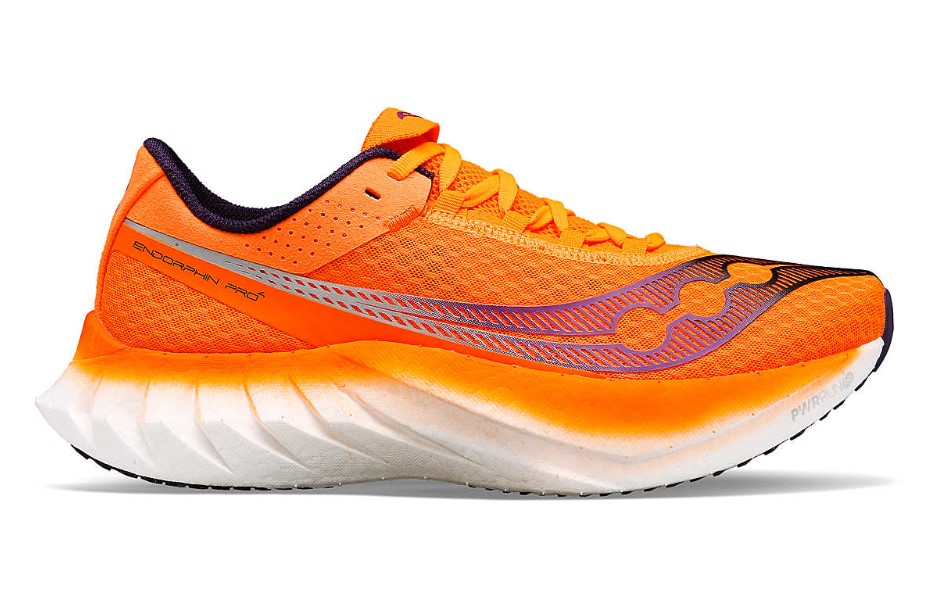
8. Saucony Endorphin Pro 4
Men’s Fitness verdict
The Pro 4 is an ideal first carbon marathon shoe. It gives you something few carbon shoes offer – great comfort and speed over a range of distances. Only the Elite model pips it to the post.- Soft and comfortable upper
- Impressive energy return
- Good value entry-level carbon shoe
- Blend of comfort and speed makes an ideal first marathon shoe
- There are faster and lighter options available
- Not ideal for shorter races
| Specifications | Saucony Endorphin Pro 4 |
|---|---|
| Materials | Full carbon plate; PWRRUN PB/HG foam |
| Weight | 212g / 7.5oz |
| Colors | Black & white / vizi-orange |
| Sizes | 6-14 |
| Heel-toe drop | 8mm (39.5mm/31.5mm) |
While the Saucony Endorphin Elite is an out-and-out long-distance race shoe, the similarly carbon-shod Pro 4 has more all-rounder potential. It hits the sweet spot between comfort and speed, with plenty of spring and energy return from the forefoot encouraging a high turnover. Ultra-thin uppers give your feet plenty of breathability, adding to a respectable weight of just 212g / 7.5oz. If you’re looking for a shoe to encourage you to train for your first marathon, the Endorphin Pro 4 is a good value option we can easily recommend.
- Read my full Saucony Endorphin Pro 4 review
Best shoe for versatility
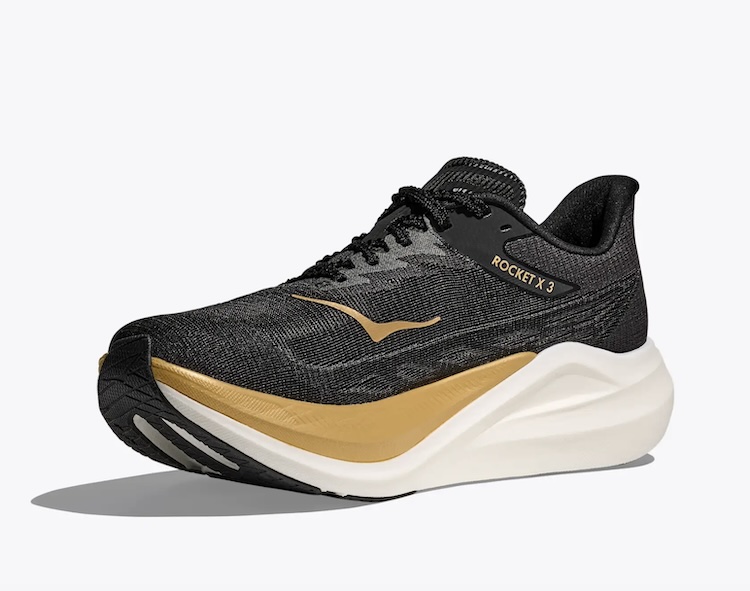
9. Hoka Rocket X3
Men’s Fitness verdict
Its well-balanced ride makes this a versatile shoe for a range of speeds and distances. That it’s one of the cheapest super shoes going makes the Rocket X 3 even more compelling.- Springy and lively ride
- Good versatility
- Relatively stable for a carbon shoe
- Very tight fit
- Not as propulsive as some rivals
| Specifications | Hoka Rocket X3 |
|---|---|
| Materials | Single-layer warp knit upper; carbon fibre plate |
| Weight | 227g / 7.8oz |
| Colors | Black and gold / sunlight and neon citrus / alabaster and frost |
| Sizes | 4.5 – 13.5 (unisex) |
The Hoka Rocket X3 features a race-ready design with a synthetic mesh upper, gusseted tongue and internal foot cage ensuring a secure fit. However, its narrow fit and tight entry may pose challenges for those with wide feet or high insteps. Once on, though, I felt it offers a comfortable and locked-in feel, providing excellent stability even during tight turns. The zonal outsole rubber reinforcements enhance grip and durability.
It’s one of the lightest carbon shoes, offering a compact, agile and nimble ride reminiscent of early Nike Vaporfly models. With a 7mm heel-toe drop, it provides a subtle yet stable platform for running. I tested it over 50 miles and reckon it excels as a race shoe, offering a balanced, energetic and versatile performance suitable for various paces and distances.
- Read my full Hoka Rocket X 2 review
Best for beginner and low-pace runners
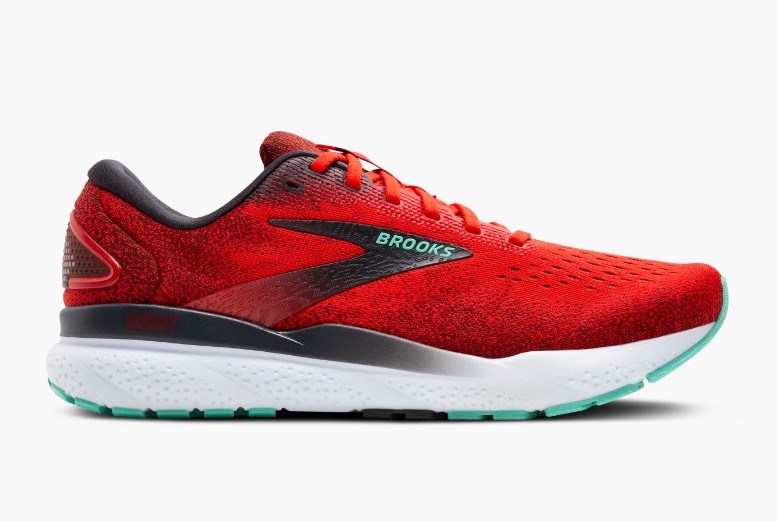
10. Brooks Ghost 16
Men’s Fitness verdict
Brooks’ beginner-friendly, workhorse daily trainer gets new foam that makes it more likeable, yet doesn’t stray too far from that Ghost DNA so loyal fans will still want to lace up for daily runs.- Familiar stable and smooth Ghost ride
- New foam offers plusher feeling underfoot
- Can comfortably handle slow to moderate paces
- Toe box feels a touch short
- More versatile alternatives available
- Isn’t much of a looker
| Specifications | Brooks Ghost 16 |
|---|---|
| Materials | Engineered mesh upper; nitrogen-infused DNA Loft V3 foam; rubber and silica outsole |
| Weight | 280g / 9.9oz (UK men's size 8) |
| Colors | Six colors available |
| Sizes | 6 1/2 – 12 1/2 |
The Brooks Ghost is now in its 17th iteration, but here I tested the 16 which is more likeable than ever. The new DNA Loft V3 foam gives more bounce and plushness than its predecessor, which helped us go deeper into big-mile runs. The Ghost has borrowed the RoadTack outsole tech from its stablemate the Glycerin 21, providing extra traction and promising longevity. Brooks has shaved a little weight of v15 too, creating an all-round better daily shoe for moderate-paced training miles.
- Read my full Brooks Ghost 16 review
Best running shoes compared
| Specifications | Nike Vaporfly 4 | Hoka Clifton 10 | Brooks Adrenaline GTS 25 | Brooks Ghost Max 3 | ASICS Novablast 5 | Hoka Skyward X | Hoka Cielo X1 2.0 | Saucony Endorphin Pro 4 | Hoka Rocket X3 | Brooks Ghost 16 |
|---|---|---|---|---|---|---|---|---|---|---|
| Star rating |
★★★★★
|
★★★★★
|
★★★★★
|
★★★★★
|
★★★★★
|
★★★★★
|
★★★★★
|
★★★★★
|
★★★★★
|
★★★★★
|
| Materials | ZoomX foam; carbon fibre flyplate | 57% recycled PET; Ariaprene; compression-molded EVA; durabrasion rubber outsole | 66.2% recycled materials | DNA Loft v3; 60.1% recycled uppers | Upper made from at least 75% recycled materials; FF BLAST™ MAX cushioning | Flat knit mesh upper; dual-density PEBA and EVA midsole foams; carbon fibre plate | Jacquard mesh upper; dual-density PEBA midsole foam; carbon fibre plate | Full carbon plate; PWRRUN PB/HG foam | Single-layer warp knit upper; carbon fibre plate | Engineered mesh upper; nitrogen-infused DNA Loft V3 foam; rubber and silica outsole |
| Weight | 6.8oz / 190g | 278g/9.8oz | 300.5g / 10.6oz | 317.5g / 11.2oz | 255g / 9oz | 320g / 11.3oz | 228g / 8oz | 212g / 7.5oz | 227g / 7.8oz | 280g / 9.9oz |
| Colors | Seven colorways available | Nine colorways available | Eight colorways available | Six colorways available | Seven colorways available | Lemonade and sunlight / Blanc de blanc and virtual blue | Skyward blue / Cielo blue | Black & white / vizi-orange | Black and gold / sunlight and neon citrus / alabaster and frost | Six colors available |
| Buy Now | Buy Now | Buy Now | Buy Now | Buy Now | Buy Now | Buy Now |
Frequently Asked Questions about running shoes
Every runner’s biochemistry is unique, which means certain shoes will be perfect for some and terrible for others. That said, there are three key things everyone needs to consider when trainer shopping. Firstly, the shoe should fit your foot snugly, without having to do the laces up tight. Secondly, the shoe should naturally flow with your stride (and make you want to run faster). Finally, the shoe should fit your running mechanics, meaning if you start to feel irritation in areas that have bothered you in the past, that’s a sign you’re not wearing the right pair.
A new study from sportsshoes.com has revealed that 7pm on a Sunday – in April or October, to be specific – is the most popular time for smashing PBs. The research looked at the time that 35,000 social media users posted PB photos, using over 15 hashtags relating to personal bests, and cross-referenced the posts with the fitness activities they depicted to reveal the most successful times.
247 Represent head coach and athlete Jake Dearden recommends buying half a size up when it comes to running trainers. This is to avoid blisters, especially if your feet swell up on longer runs which is due to the increased blood flow. New Balance athlete and online running coach Jonny Mellor recommends a properly fitted running shoe should feel snug in the heel and midfoot, with some room for toe movement. To check proper length when standing you should allow a full thumb width of space between the end of your toes and front of the shoe. This is why often runners are recommended to purchase half a size bigger than a normal everyday shoe. However, it’s not always the case, depending on the brand, so it is a good idea to get your feet properly measured by a running specialist store.
Dearden says neutral shoes are designed for runners with average-sized arches and provide a normal amount of support to the foot. Stability shoesare designed for runners with low arches that cause their feet to excessively roll inward with each stride (called ‘overpronation’). I’d suggest getting assessed by a qualified physio and ask them what type of shoe you need. Most of the time you’ll need a neutral shoe paired up with some lower-body mobility and stability exercises to improve your running form. More cushion isn’t always better as for some people it can make your stride more inefficient.
Mellor says in terms of more cushioning, this will depend on the individual runner and what type of running you’re planning on doing. Some runners prefer a faster, more responsive feel underfoot over more cushioning. This is personally why I love the New Balance 1080 v13 as it feels really soft and cushioned but still feels fast and responsive. If you’re doing lots of miles on the roads or pavement, then you may benefit from a more cushioned running trainer.
If you are starting out running I wouldn’t worry too much about those features, and try to focus on how your shoe is allowing you to run and if you’re comfortable when doing so, says Dearden. Finding the right pair of running shoes mainly comes down to what you feel most comfortable running in. However, if you are struggling to find ones that work for you it can be worth looking into those features. Trainers with a bigger stack height are more cushioned, helping absorb the impact from running and therefore being easier on your joints. With a lower heel drop you are encouraging a more natural running pattern as it is closer to you being barefoot, the most natural gait form, which will promote midfoot landing as opposed to heel striking which is a more inefficient running technique. If you struggle with knee pain, lower heel drop shoes are often more comfortable and vice versa if you struggle with Achilles issues.
The weight of a shoe is important if you are focusing on speed work, says Mellor. I would always focus on technique and your running form and the other elements of a shoe that allow you to be as efficient as possible before looking into shoe weight. Again, this will come down to personal preference and what you’ve ran in previously and feel most comfortable running in. It will also depend on your running style, history of injuries and what surface you plan on running on. Runners traditionally go for a lighter shoe for race day or interval work to feel faster and more responsive.
You’ll need a different kind of shoe depending on where you run. Off-road or trail shoes are made to be more robust than road shoes, and tend to be heavier. But the basic differences are three-fold. Firstly, trail shoes offer more lateral support while road shoes will have more vertical cushioning. Secondly, trail shoes tend to offer more ground feel and feedback – useful for traversing changing and unpredictable terrain. Thirdly, they also have lugs or grips on the outsole to offer traction over wet or slippery surfaces. Road shoes will be more minimal in that regard.
There’s no denying that heavily cushioned shoes can reduce the rate at which impact is absorbed. That’s especially useful for those new to running or lacking endurance running experience. But over time, an excessive reliance on cushioning may affect your running gait, whereas thinner-soled shoes tend to promote a more natural stride. Basically, shoes that are too soft may alter natural running biomechanics, reducing sensory feedback from the ground.
If they’re starting to wear out, it’s worth considering how to recycle your old running shoes. Breaking free from the myth of mandatory replacement after 500 miles and embracing initiatives like JogOn (which collects unwanted running shoes for redistribution) may significantly reduce the environmental impact your sports gear has on the planet – and mean your old running shoes find a new purpose beyond the landfill. Another option is to go for running shoes that are made from 100% recycled materials. On and Vivobarefoot, for example, offer a number of options.
How we test running shoes
Our testers put each shoe through their paces over a mixture of distances and paces to see where they excel, and clocked up significant distances in each one to examine how they wear over time. Each reviewer focused on speed, stability and comfort during test runs, while also assessing the effectiveness of any high-tech features on offer. Their detailed reviews are sure to help you choose the right running shoe for you.
Related content:
Updates
- November 2025: NB Fresh Foam More v4 removed as no longer available; ASICS Metaspeed Edge Paris added to summary box; prices, availability and affiliate links checked.
- January 2026: Main image and dates changed to 2026, prices and affiliates updated; ASICS Novoblast 5 and Hoka Rocket X 3 updated from previous models.
- February 2026: Brooks Adrenaline GTS updated from 24 to 25; prices and affiliates checked.
- April 2026: We did a complete overhaul of our shoe picks and updated specs and links.
- June 2026: We added a comparison table to help you better compare the features of each run shoe across products and added a Hoka Clifton 10 review.