
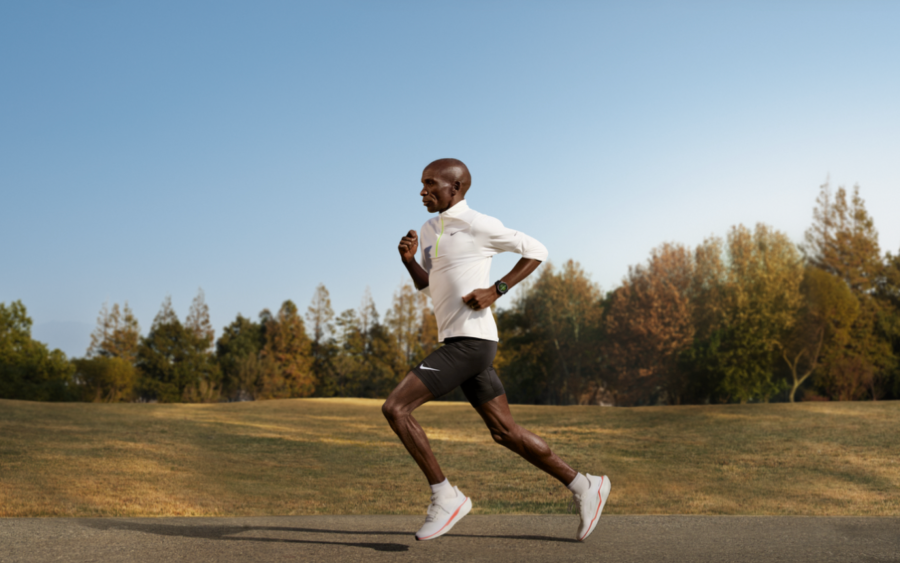
Running icon Eliud Kipchoge shares his training routine, how he keeps running and offers advice to 2026 London Marathon runners
Eliud Kipchoge is a name that transcends the sport of running. You might not know that he’s a two-time Olympic champion or that he was a track runner before he switched to recording some of the fastest-ever marathon times. You will likely know that the Kenyan was the first person to break the 2-hour barrier for the marathon.
In 2025, Kipchoge completed all seven World Marathon Majors then announced he would be embarking on a World Tour, running marathons across seven continents, including Antarctica. He’ll be doing that to raise funds for the Eliud Kipchoge Foundation to invest in education and environmental programs.
We grabbed some time with the runner nicknamed the Philosopher in Madrid for the launch of the Huawei Watch GT Runner 2. Kipchoge and other elite runners from his dsm-firmenich Running Team provided insight and feedback for new running-focused features included on Huawei’s new running watch.
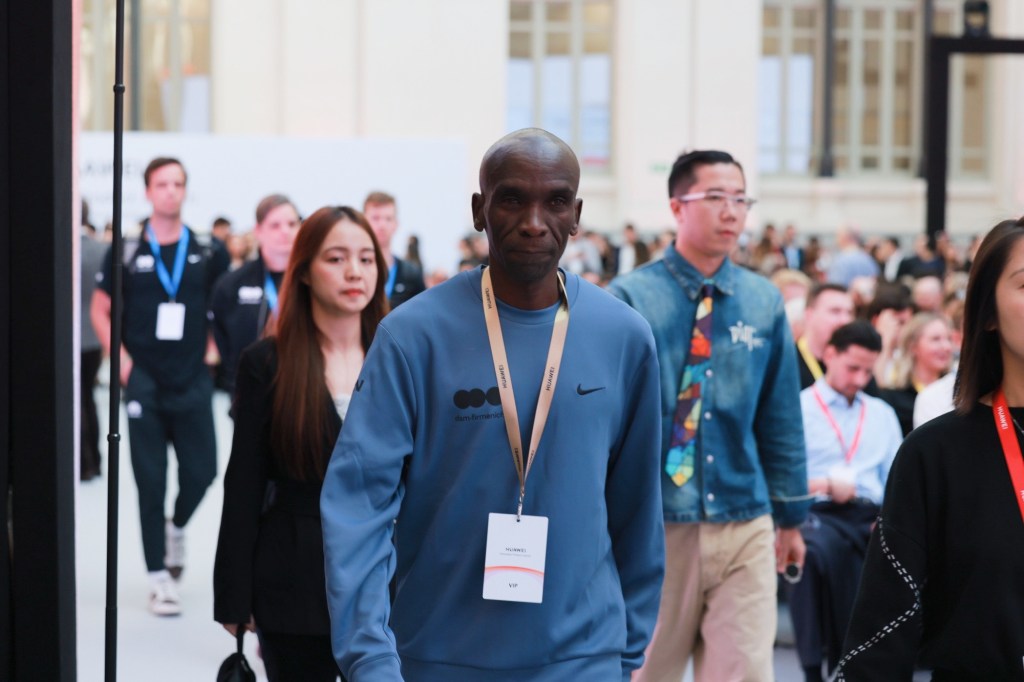
Eliud tells us about his training, how many running shoes he gets through in a week and advice for runners deep into training for this year’s London Marathon.
You’ve raced and won many races, but which one is your favourite?
I think it’s the INEOS 1:59 Challenge, where I made this attempt to change everybody’s mind. To let you know that you are not limited at all. That’s what sticks in my mind. That I want everybody to push their limits. I want them to push their limits in distance, in time and in their lives.
Your elite running career, both as a track runner and marathon runner, has spawned two decades. What would you say is the key to longevity in running? Are you still learning new things about running?
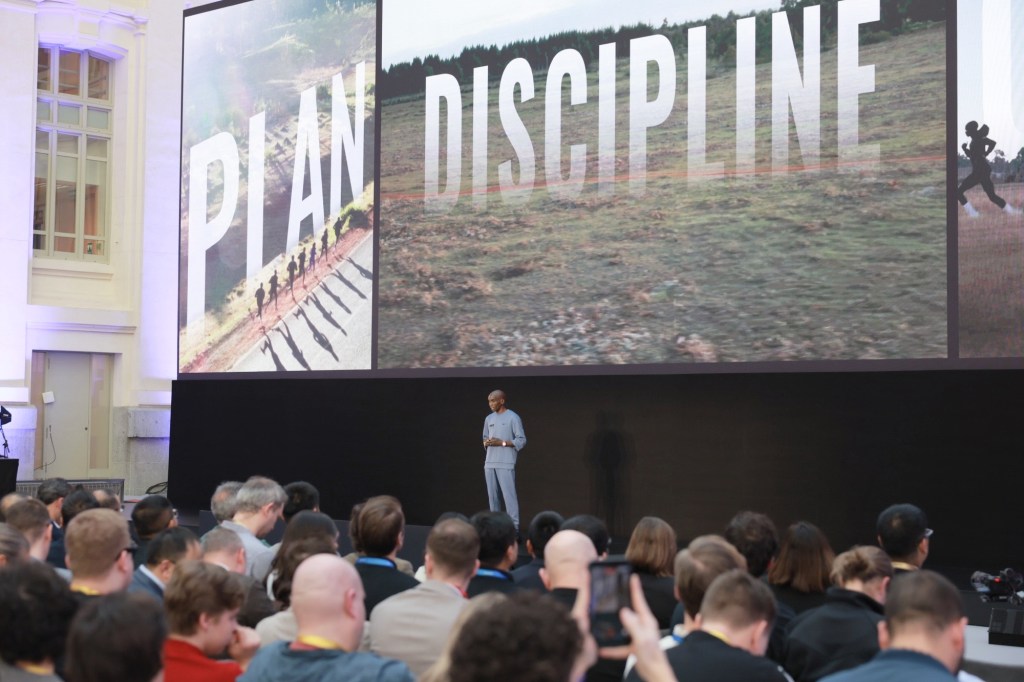
The key is to be disciplined. Be yourself. Set a long-term goal and work towards that goal. Treat sport as a profession. That will help you reach your goal, step by step. That’s what creates longevity.
Yes, I am still learning new things. I am a student every day, a student of life, a student of training. I am a student of everything in sport.
What does your current training look like, how many shoes do you train in and how much running would you do in a shoe before using it on race day?
My training is actually based on long runs, speed runs, endurance speed runs and easy runs. That will make my body stay tuned for the marathon distance.
I have a cycle of six shoes I use per week. I’m currently rotating all of the models of the Nike Pegasus. I’m also using the Nike Vomero Plus, the Vomero 18, now the Vomero 19 (unreleased), Vomero Premium, the ZoomFly 6 for tempo runs and the Vaporfly 4 at the moment for speed training. My favourite shoe is the one I use on hard days. The other shoes I use on my normal days!
There’s not really a specific amount of running I do in a shoe before using for racing. When the latest model comes in, I’m ready to put it on new, even on the morning of the run.
In 2025, the TCS Sydney Marathon became the seventh Marathon Major. Do you think more marathons should be added or do we have enough?
Yes, I think more should be added. There should be one in every continent. There should be one in Africa hopefully now. We should have one in Asia as well, like one in China. I do think there should be more.
The 2026 London Marathon is less than two months away. You’ve stepped onto that course and walked away with the win four times? What’s your biggest advice to runners for this year’s race?
The greatest advice is to please make sure you train well. Be disciplined in training and present yourself at the start line in a good way. Make sure you’ve trained well and focus on the race and all will be okay.
What would be your biggest advice to anyone that’s trying to start running for the first time?
If you’re starting fresh, then start by walking. Then walk, run, walk, run. Make that walk, run your discipline. Wake up everyday and run. During the next 2 maybe 4 weeks, you will be running continuously. If you’re disciplined enough to follow that and follow that consistency, you will achieve your goal.
After that, set a goal. Set a goal that in the next three or four months I want to run a certain time. Not a really fast time, but make sure you can cross the finish line. Let that goal be distance, not time. Then another time you can set a goal for the time and a goal for the distance. That’s how to enjoy running. That’s how to actually make your body adapt to running and get your mind to love running.